
Lightning Detection System for Golf Courses
Protect golfers, staff, and your club from lightning risk with a certified on-site detection and alert system
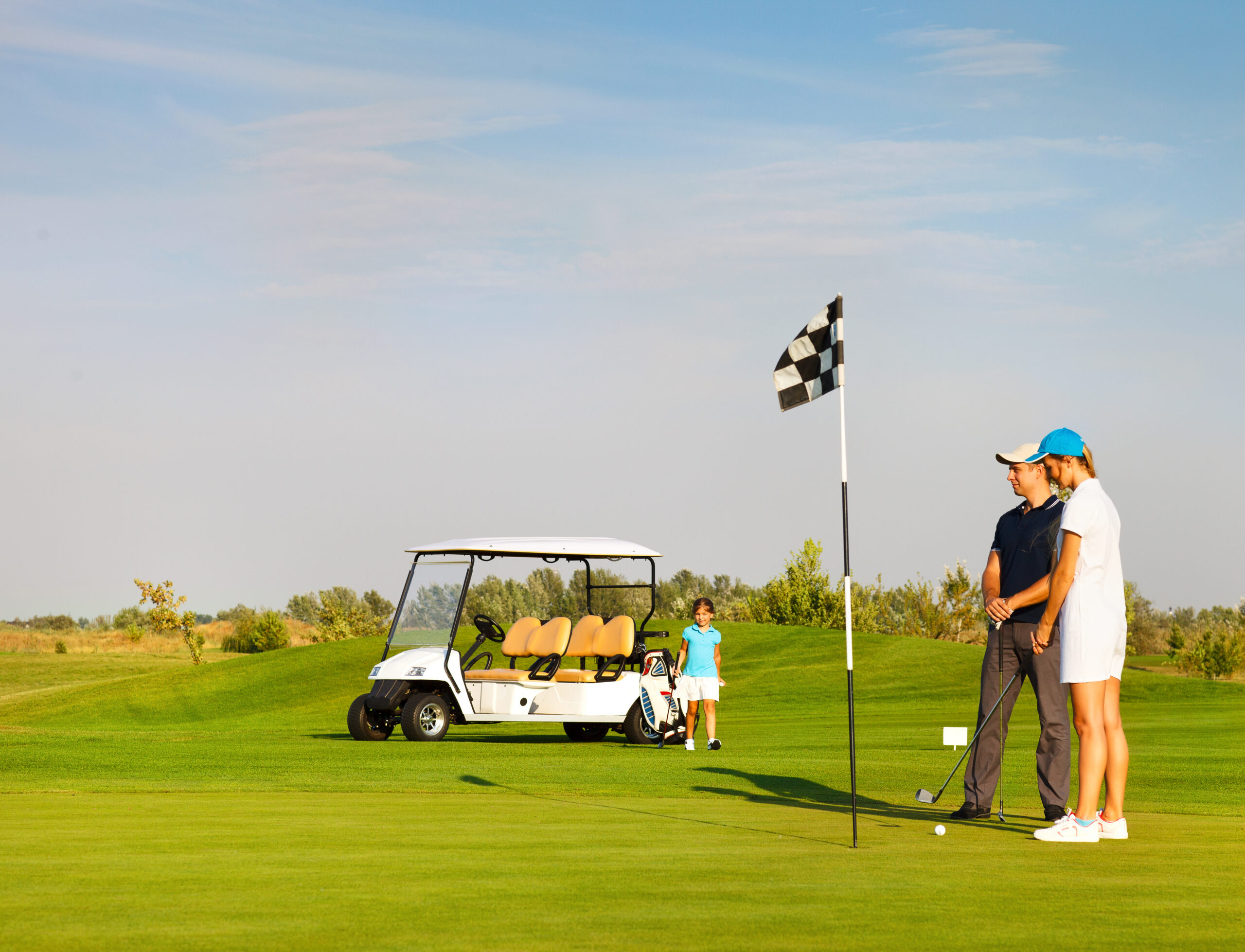
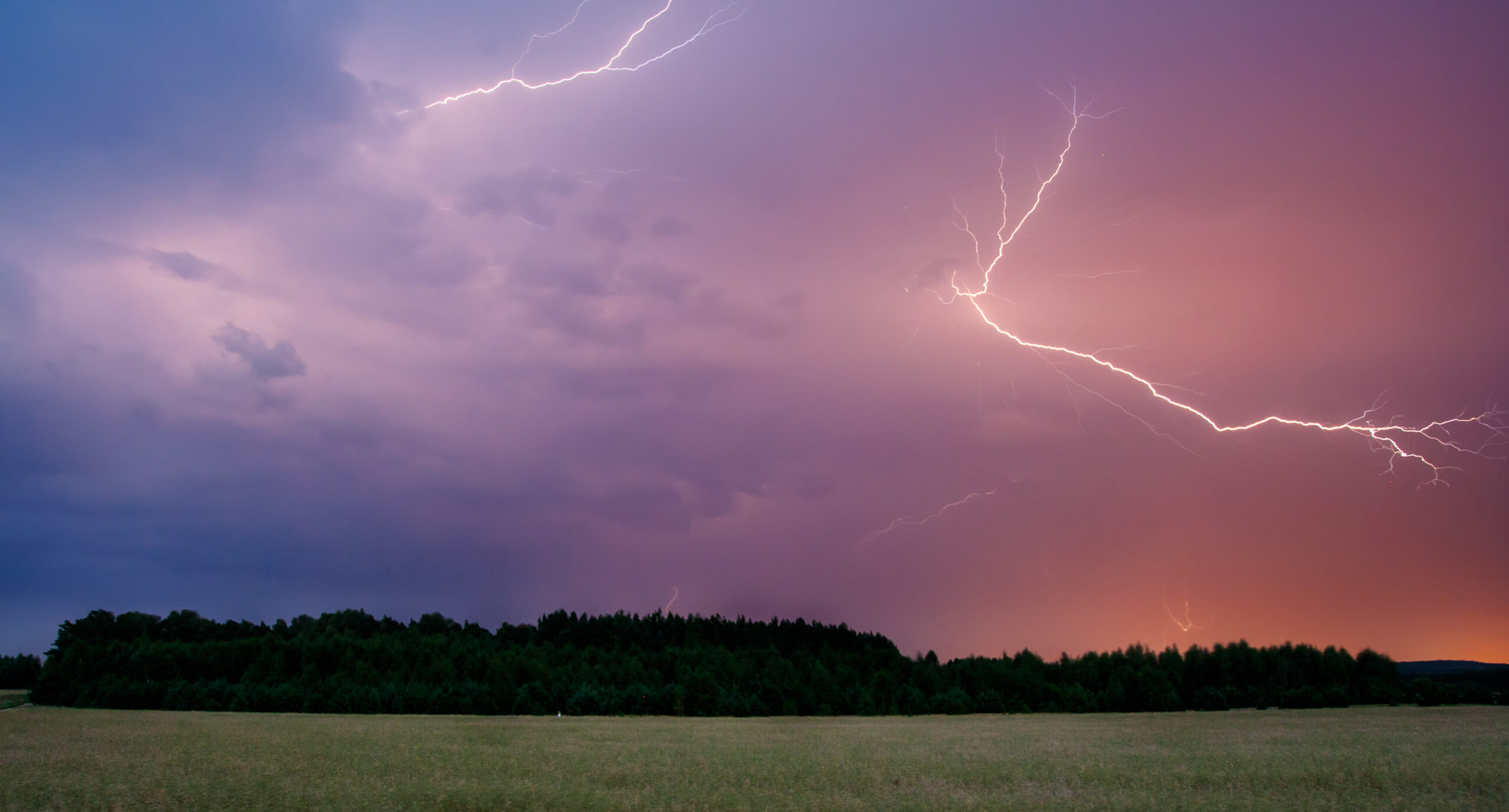
A dedicated lightning detection system for golf courses is no longer optional — it is a standard of care. Golf is the sport most frequently associated with lightning fatalities, and golf course operators who lack a documented, real-time monitoring and alert system face meaningful legal exposure when incidents occur. cyclonePORT provides the certified sensor infrastructure, automated alerts, and timestamped documentation that modern golf course risk management requires.
- Consult
We map your organization’s needs.
- Deploy
- Monitor
The Challenge
Golf courses are among the most lightning-exposed environments in the world. Wide-open fairways, elevated terrain, isolated trees, and metal club-carrying players combine to create textbook lightning risk conditions. Yet many courses still rely on radar apps, distant siren systems they don’t own or control, or the judgment of a starter making a call with no real data. A lightning fatality or serious injury on your property will be examined by plaintiff attorneys who will ask one question first: what was your monitoring system, and what did it show at the time? cyclonePORT gives you a documented, site-specific answer.
Why Golf Courses & Clubs Choose cyclonePORT
Golf course superintendents, directors of golf, and club managers choose cyclonePORT because it closes the gap between regional radar and the real-time, site-specific lightning intelligence that a course needs to protect players and staff:
- On-site lightning detection: Real-time lightning proximity monitoring from sensors at your course — not from a regional service measuring conditions miles away from your fairways.
- Configurable evacuation alerts: Set your lightning alert radius to match your course’s GCSAA-recommended policy. When lightning enters that radius, your team is alerted — automatically, immediately.
- Siren and horn integration: cyclonePORT alert thresholds can coordinate with your existing course warning systems for a complete, layered lightning safety response.
- Full weather monitoring: Beyond lightning, cyclonePORT tracks wind, temperature, humidity, and precipitation — supporting course conditions decisions, tournament operations, and heat safety for staff.
- Timestamped data logging: Every lightning strike, every alert trigger, and every sensor reading is automatically recorded. This documentation is your liability protection.
- Multi-user app access: The head pro, superintendent, starter, and marshals all see the same real-time data and receive simultaneous alerts via the RadarOmega app.
What You're Monitoring
cyclonePORT monitors every condition relevant to golf course safety and operations:
Specification | Detail |
Lightning Detection | Real-time strike proximity — configurable 8, 10, or custom mile radius alerts |
Wind Speed & Direction | Continuous monitoring — flag conditions, course setup, tournament management |
Temperature & Wet Bulb | Heat index monitoring — staff and tournament player safety |
Relative Humidity | Continuous RH% — turf management and heat stress monitoring |
Barometric Pressure | Storm system tracking — advance warning for tournament and event planning |
Precipitation | Real-time rain gauge — cart path policies, course conditions, event timing |
Alert System | Configurable threshold push alerts — starter, superintendent, head pro, and marshals simultaneously |
Data Logging | Automatic timestamped archive — incident documentation and liability protection |
⚡ Golf Accounts for More Lightning Fatalities Than Any Other Sport
The National Lightning Safety Institute reports that golf has historically produced more lightning fatalities than any other sporting activity in the United States.
In litigation following a lightning incident, plaintiff attorneys will examine whether the club had a documented monitoring system and what data it showed at the time. cyclonePORT creates that record automatically.
Built for Severe Weather
The Pulse of the Sky
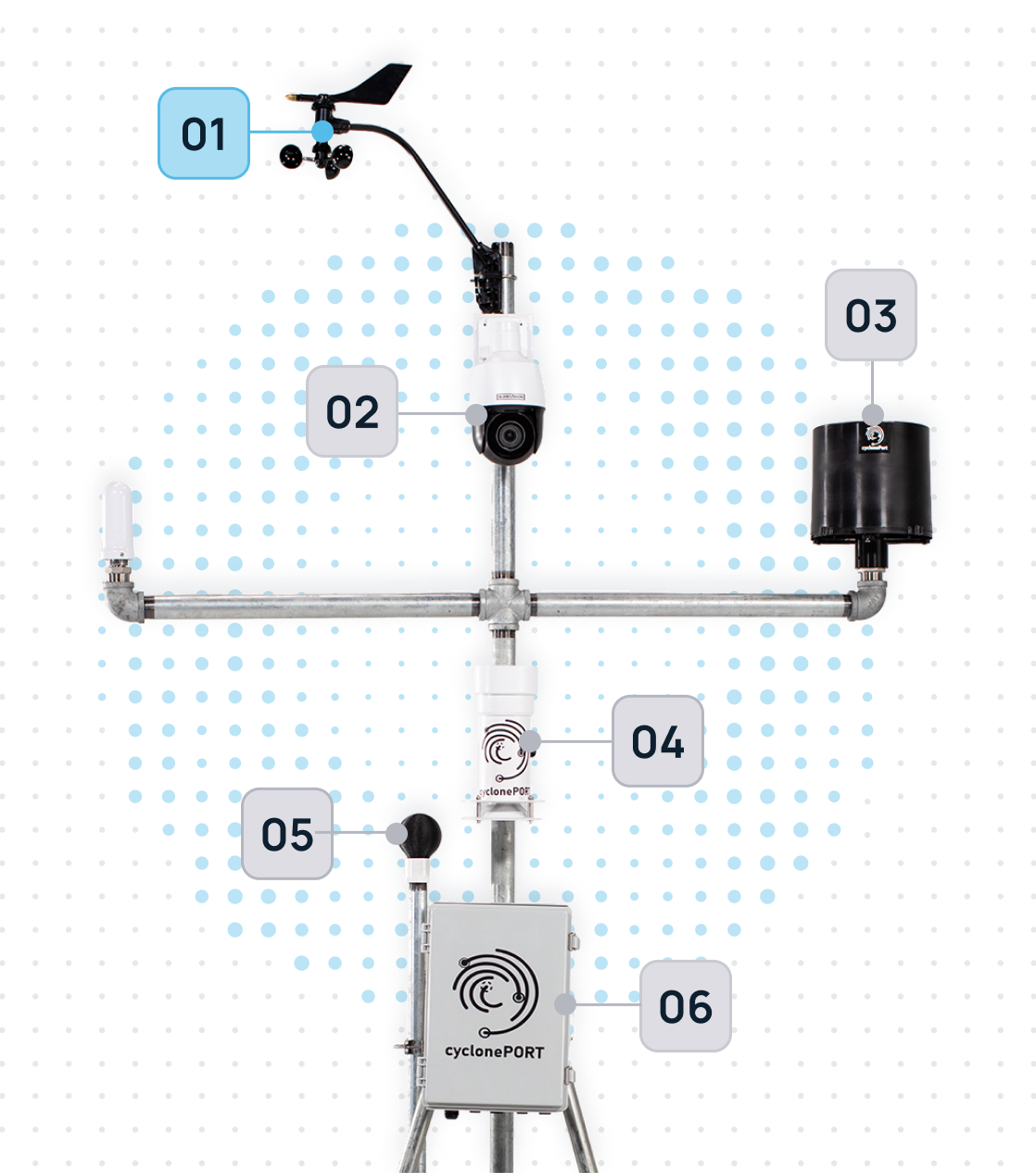
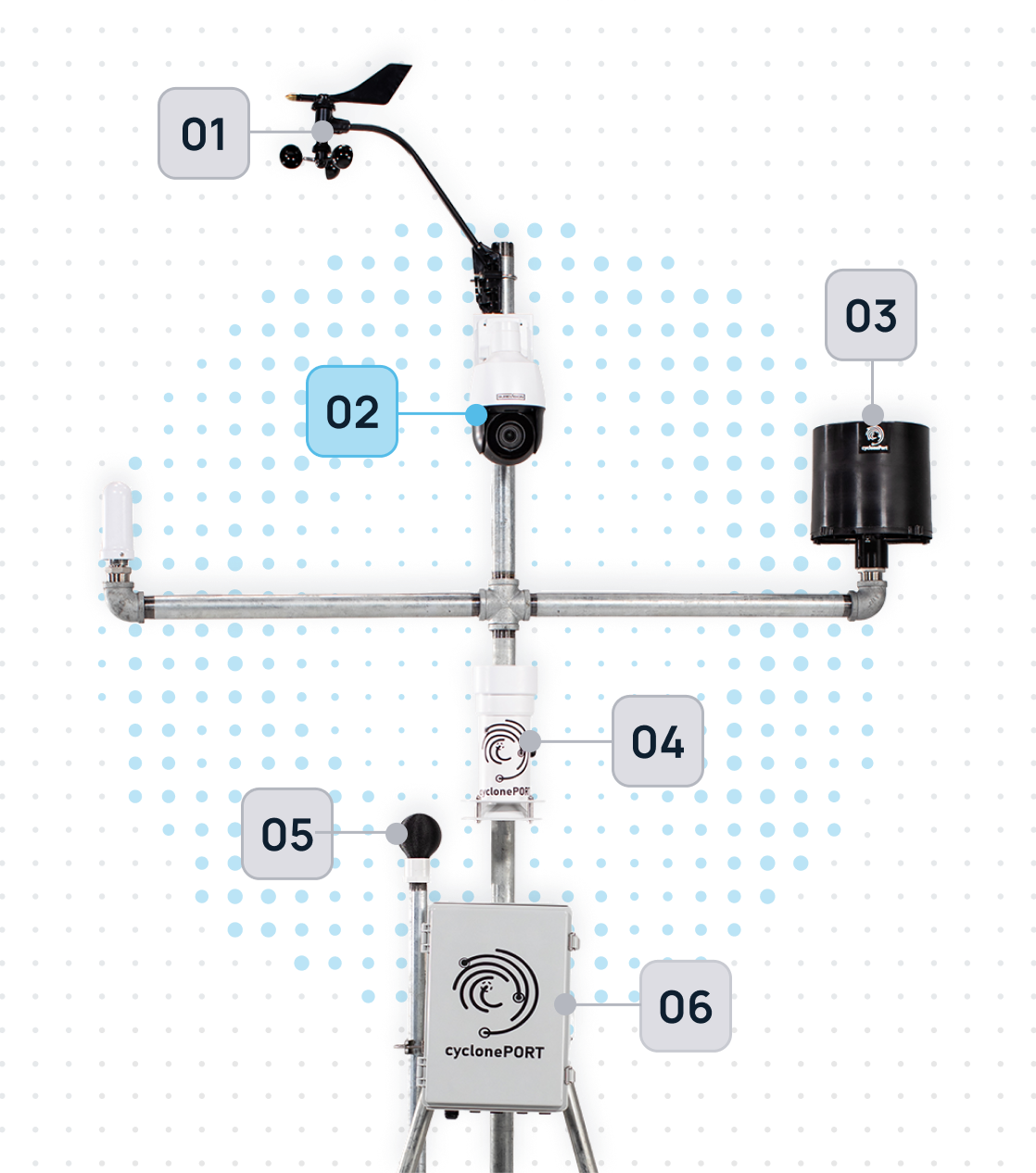
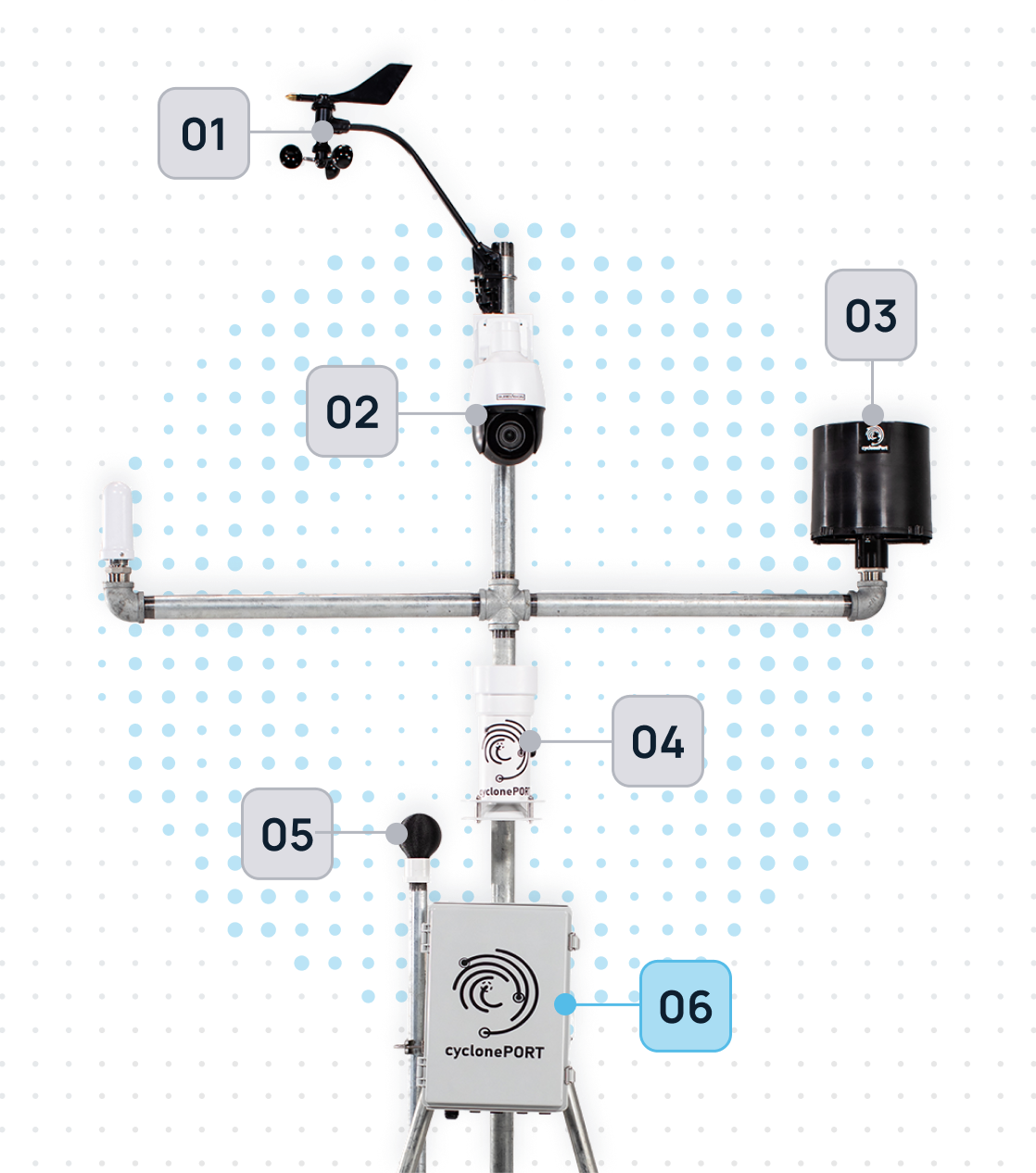
The anemometer is the “nervous system” of our weather stations. Moving beyond old-fashioned mechanical cups, our hardware utilizes ultrasonic sensor arrays to measure the velocity and direction of the wind. By calculating the time it takes for sound pulses to travel between sensors, it provides a lag-free, high-definition map of air movement.
The PTZ Observation Unit
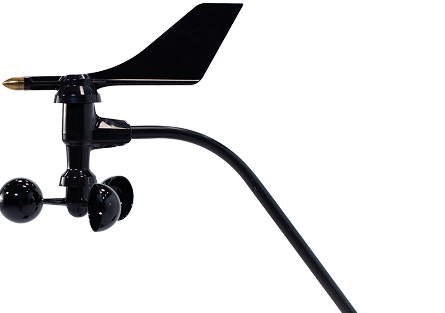
Our PTZ units are ruggedized optical sensors designed to withstand the very conditions they are monitoring. These aren’t just for recording video; they serve as a critical layer of visual ground-truthing. When our sensors detect a change in wind speed or pressure, the PTZ camera can automatically swivel to the point of interest—allowing us to see the formation of wall clouds, debris, or precipitation in real-time.
The lens moves vertically, allowing for a look at both high-altitude cloud formations and ground-level impacts
Liquid Precision: The Smart Rain Gauge
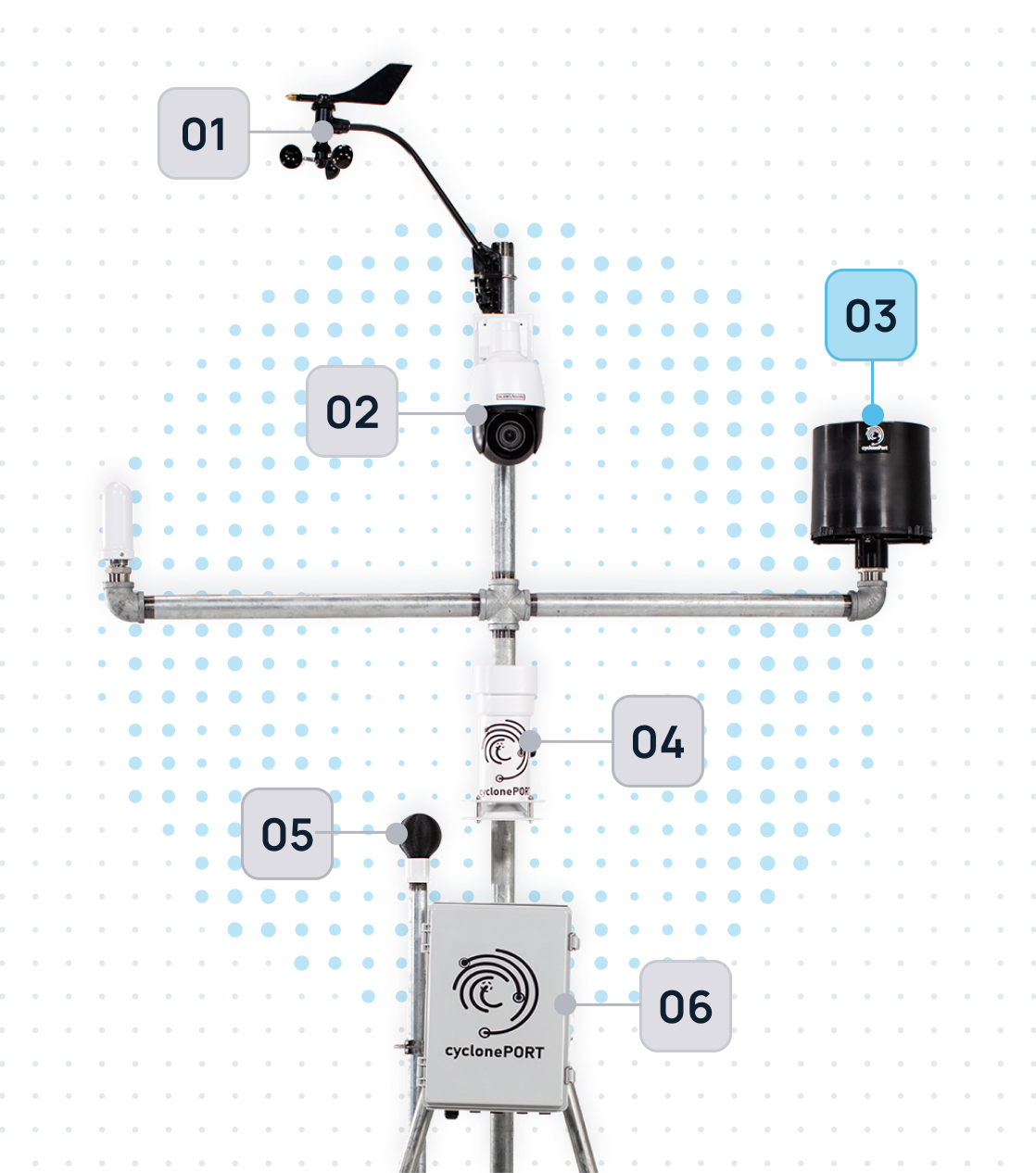
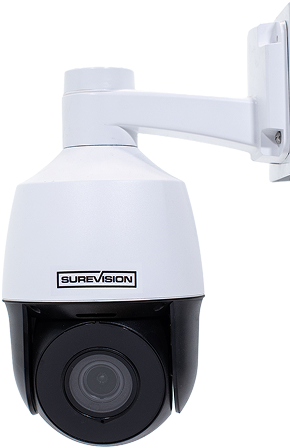
The rain gauge is the primary component for measuring precipitation intensity and accumulation. Our systems typically utilize “Tipping Bucket” or “Optical” technology to provide high-resolution data. As droplets enter the collector, the sensor logs the volume in real-time, allowing our AI to calculate rainfall rates per minute.
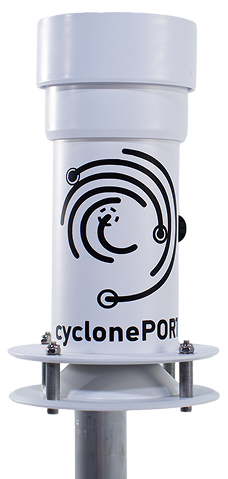
Resilience by Design: The Primary Sensor Housing
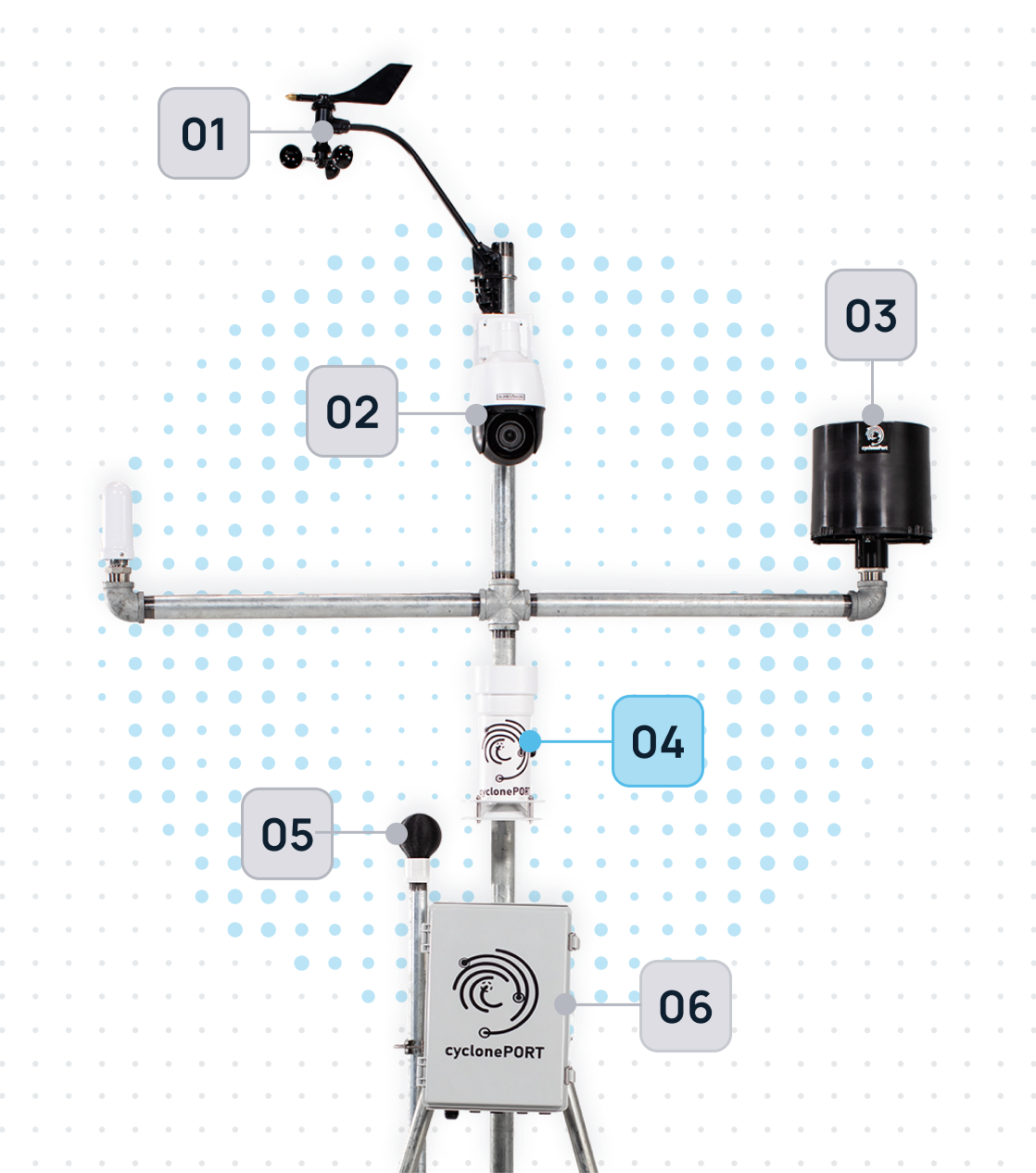
The Primary Sensor Housing is the ruggedized enclosure that integrates and protects the suite of meteorological instruments. It isn’t just a box; it is a precision-engineered environment. Designed with aerodynamic stability and thermal regulation, it ensures that internal components—like barometers, data loggers, and transmission hardware—stay dry, cool, and connected even in hurricane-force winds or sub-zero blizzards.
Human-Centric Heat Intelligence
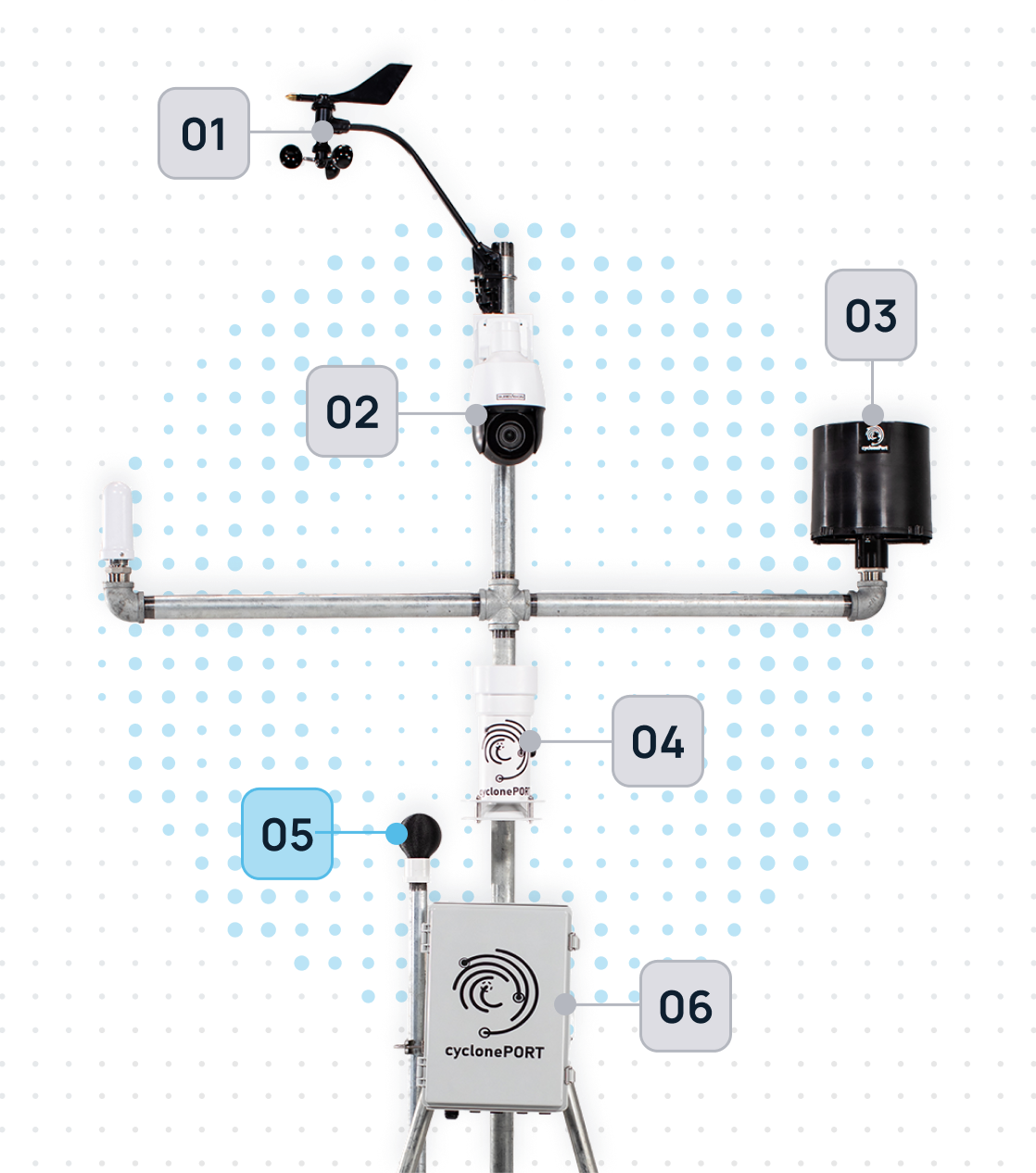
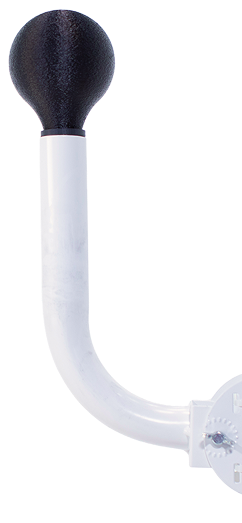
The Wet Bulb Globe is the “biometric” sensor of our weather stations. It doesn’t just measure ambient air; it accounts for the three-way punch of temperature, humidity, and solar radiation. By simulating how a human being absorbs heat while sweating in direct sunlight, it provides the Wet Bulb Globe Temperature (WBGT)—the most accurate metric for predicting heat exhaustion and sunstroke.
For companies managing outdoor crews, sports events, or high-load data centers, this sensor is the definitive “go/no-go” signal for safety.
The Intelligence Engine: CyclonePORT Hub
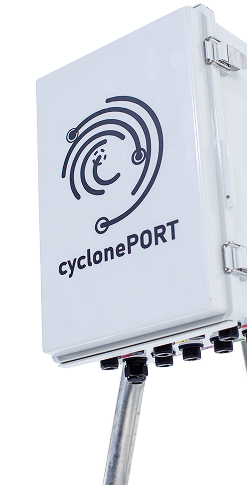
The CyclonePORT Hub is the central nervous system of our weather monitoring architecture. It serves as the high-speed bridge between raw environmental data and actionable cloud intelligence. While our sensors are busy “feeling” the storm, the Hub is busy translating those signals, encrypting the data, and ensuring it reaches our forecasting models in milliseconds—even when local power grids or traditional networks fail.
It is designed for “Edge Computing,” meaning it processes critical data locally to provide instant alerts before the information even hits the cloud.
Industry Standard & Risk Management Alignment
cyclonePORT supports alignment with the golf industry standards and general duty care requirements that govern course lightning safety:
- GCSAA (Golf Course Superintendents Association of America) — Lightning Awareness and Incident Response Guidelines
- PGA of America and USGA Tournament Conditions of Competition — weather suspension policies
- NFPA 780 Standard for the Installation of Lightning Protection Systems
- OSHA General Duty Clause — employer responsibility to protect workers from recognized lightning hazards
- State and local public assembly occupancy requirements for weather emergency protocols
- Golf course insurance carrier requirements for documented weather monitoring and evacuation protocols
Common Use Case
Daily Play Lightning Monitoring and Evacuation
A permanently mounted cyclonePORT station at the course provides the head pro, starter, and marshals with real-time lightning proximity data every minute the course is open. When a configurable threshold is reached — say, lightning within 8 miles — simultaneous push alerts reach all key staff via the RadarOmega app. The decision to suspend play is backed by real data, not a starter looking at the sky.
Tournament and Outing Operations
Member-guest tournaments, charity outings, and competitive events put larger numbers of players on the course simultaneously — increasing both exposure and liability. During events, cyclonePORT gives the tournament committee and operations team real-time weather data and automated alerts that support documented suspension and resumption decisions compliant with USGA conditions of competition.
Staff Safety and Heat Monitoring
Grounds crews, cart staff, and outside services employees work extended outdoor shifts that expose them to both lightning and heat risk. cyclonePORT’s combined lightning detection and heat index monitoring protects all staff, with OSHA-compliant threshold alerts ensuring employee safety is managed systematically rather than by individual supervisor judgment.
Documentation Is Your Best Defense
cyclonePORT automatically logs every sensor reading and every alert trigger with a timestamp.
If a lightning incident occurs on your course, you will have an unbroken record of exactly what your monitoring system detected, when it detected it, and when alerts were issued — before the first plaintiff attorney calls.
Platform Features at a Glance
Specification | Detail |
Deployment | Permanent mount — clubhouse roof, maintenance facility, or elevated location |
Power | Grid-connected or solar — works at any course location |
Connectivity | Wi-Fi or cellular — maintains data transmission during storms |
User Access | Multi-user — head pro, superintendent, starter, marshals via app |
Alert Delivery | Simultaneous push alerts to all registered users when threshold is reached |
Data Logging | Automatic timestamped log — permanent incident documentation |
Integration | Alert thresholds can coordinate with existing course warning horn systems |
Weather Monitoring | Full sensor suite — lightning, wind, precip, temp, humidity, pressure |
When Seconds Decide Outcomes
A county emergency management agency detected rotation
Emergency crews coordinated faster with shared data
Frequently Asked Questions
What lightning detection radius should we use for our golf course?
The GCSAA and National Lightning Safety Institute recommend a minimum 8-mile alert radius for golf course lightning protocols, allowing sufficient time to clear players from the course before lightning reaches the property. cyclonePORT’s alert radius is fully configurable to match your club’s adopted policy — whether that’s 6, 8, 10, or more miles.
How does cyclonePORT alert staff when lightning is detected?
When lightning enters your configured alert radius, cyclonePORT sends simultaneous push alerts to all registered users via the RadarOmega app — the head pro, superintendent, starter, marshals, and anyone else you designate. Every alert is automatically logged with a timestamp.
Does cyclonePORT replace our siren or warning horn system?
cyclonePORT is a monitoring and alert system, not a replacement for your on-course warning horn infrastructure. The two work together: cyclonePORT detects the condition and alerts staff, and staff activates the horn system per your protocol. cyclonePORT can also be configured to integrate with automated warning systems.
Can cyclonePORT help us during USGA and PGA tournament play?
Yes. cyclonePORT provides the real-time lightning proximity data and timestamped documentation that tournament committees need to make and record suspension decisions. USGA Conditions of Competition require documented weather suspension procedures — cyclonePORT’s automatic logging satisfies the documentation component.
Protect Your Players, Staff, and Club with a Certified Golf Course Lightning Detection System
Talk to our team about course configurations, alert integration, and GCSAA-aligned protocol support.
cycloneport.com/contact | info@cycloneport.com | 844-737-9328