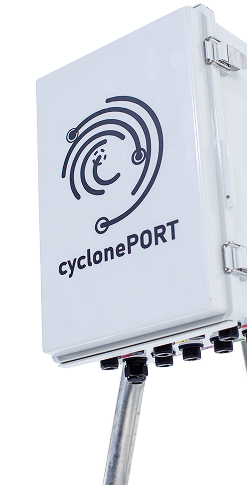
Weather Monitoring for Fire Departments & Wildland Firefighters

Real-time fire weather data that protects crews and informs command decisions

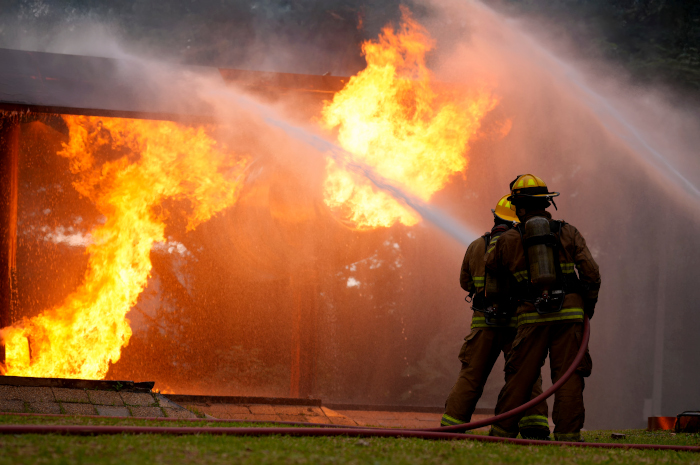
Fire behavior is dictated by weather. Wind direction shifts kill firefighters. Low relative humidity drives explosive fire growth. Dry lightning ignites new starts. Yet many fire departments still rely on regional airport weather data that can be miles away from active operations — and dangerously inaccurate. cyclonePORT puts certified sensor data directly at the scene, at the station, or at the perimeter of a fire complex.

We map your organization’s needs.

Plug-and-play hardware goes live.
Real-time data flows to your command center.

Why Fire Departments Choose cyclonePORT

cyclonePORT is a hardened professional weather monitoring system purpose-built for the demands of emergency services. Here’s what it delivers for fire operations:

  • Wind speed & direction: Continuous monitoring flags dangerous wind shifts before they reach crews — critical for escape route decisions.
  • Relative humidity: Track RH in real time. NWCG fire behavior models require accurate on-site RH, not interpolated regional data.
  • Wet bulb temperature: Monitor heat stress risk for firefighters working in full PPE in extreme heat environments.
  • Lightning detection: Know when lightning is active in your area before a new start is reported. Protect ground crews.
  • Rain gauge: Precipitation data informs fire danger ratings and mop-up decisions after initial attack.
  • Cloud-accessible data: Incident commanders and dispatch can access real-time weather from any device, anywhere.

⚡ Wind Shift Warning

Rapid directional wind shifts are the leading cause of firefighter fatalities in wind-driven fire events.

cyclonePORT can be configured to trigger automated alerts when wind direction changes exceed a defined threshold — giving crews critical seconds to react.

What You're Monitoring

cyclonePORT’s integrated sensor suite captures every variable relevant to fire weather:

Specification

Detail

Wind Speed

Continuous measurement, mph/kph — detects gusts and shift events

Wind Direction

360° compass bearing — alerts on directional shifts

Relative Humidity

Precise RH% — critical input to NWCG fire danger models

Temperature

Ambient and wet bulb — supports heat stress and fire behavior calculations

Barometric Pressure

Tracks pressure gradient changes associated with wind events

Lightning Detection

Real-time lightning proximity alerts — ground crew safety

Precipitation

Rain gauge data for fire danger rating and mop-up assessment

Data Access

Cloud dashboard + RadarOmega app integration — accessible to IC and dispatch

Capabilities

Built for Severe Weather

Harness advanced meteorological technology to track atmospheric conditions with precision. Our weather surveillance system provides instant alerts and detailed forecasts to keep you prepared. Real-time data from multiple sensors and satellites delivers actionable insights for informed decisions. Our platform combines historical patterns with current measurements for reliable forecasts.
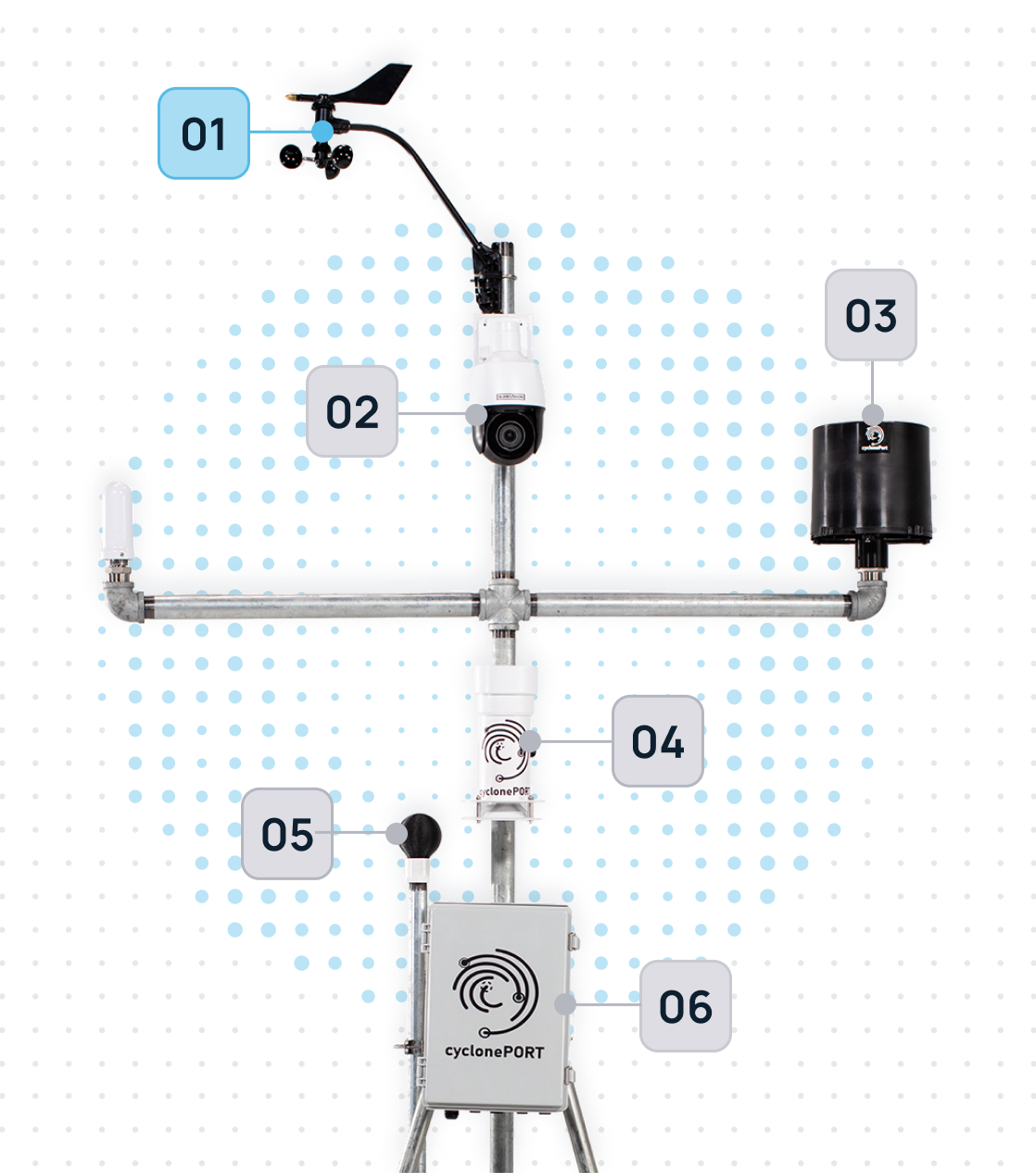
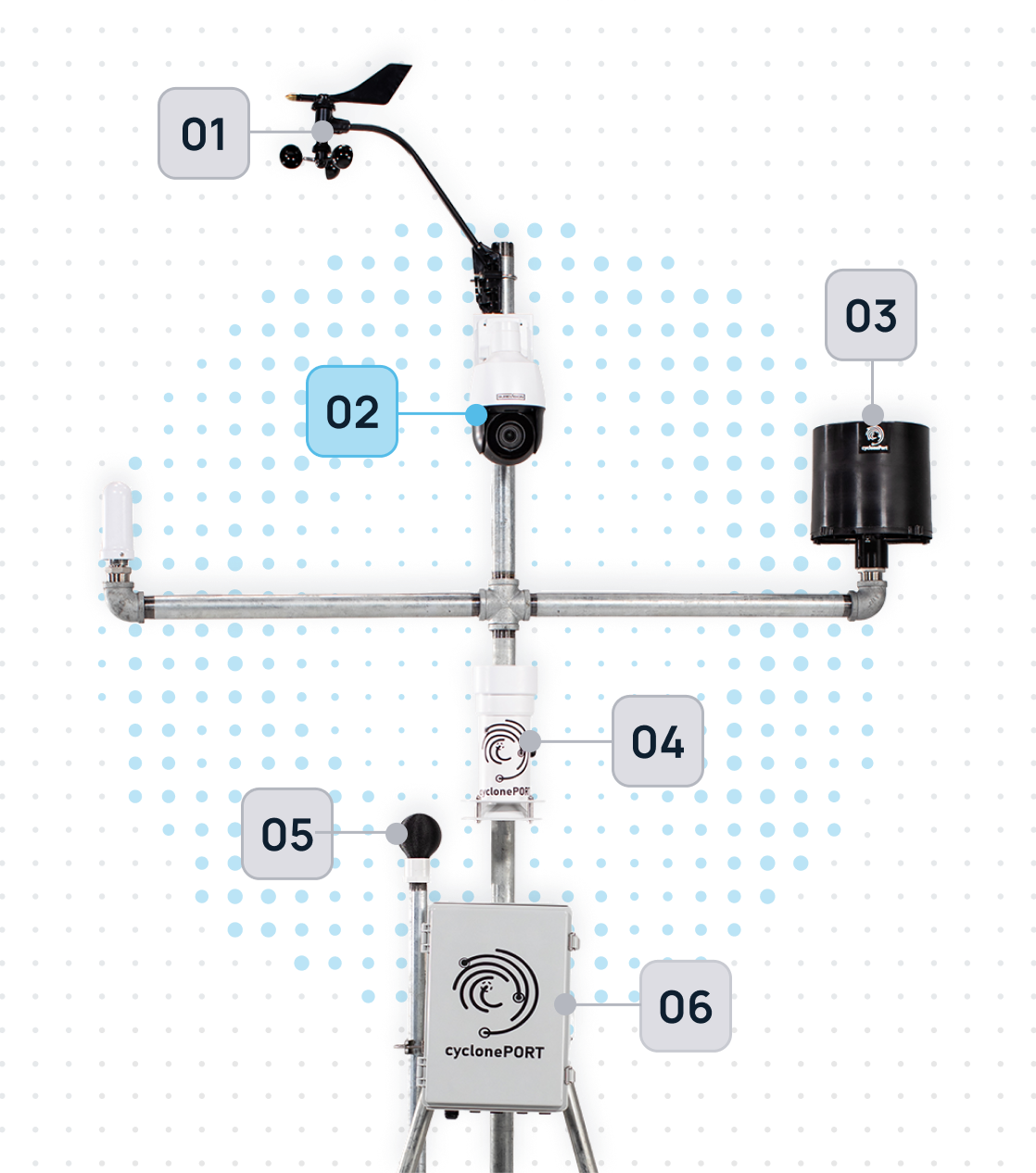
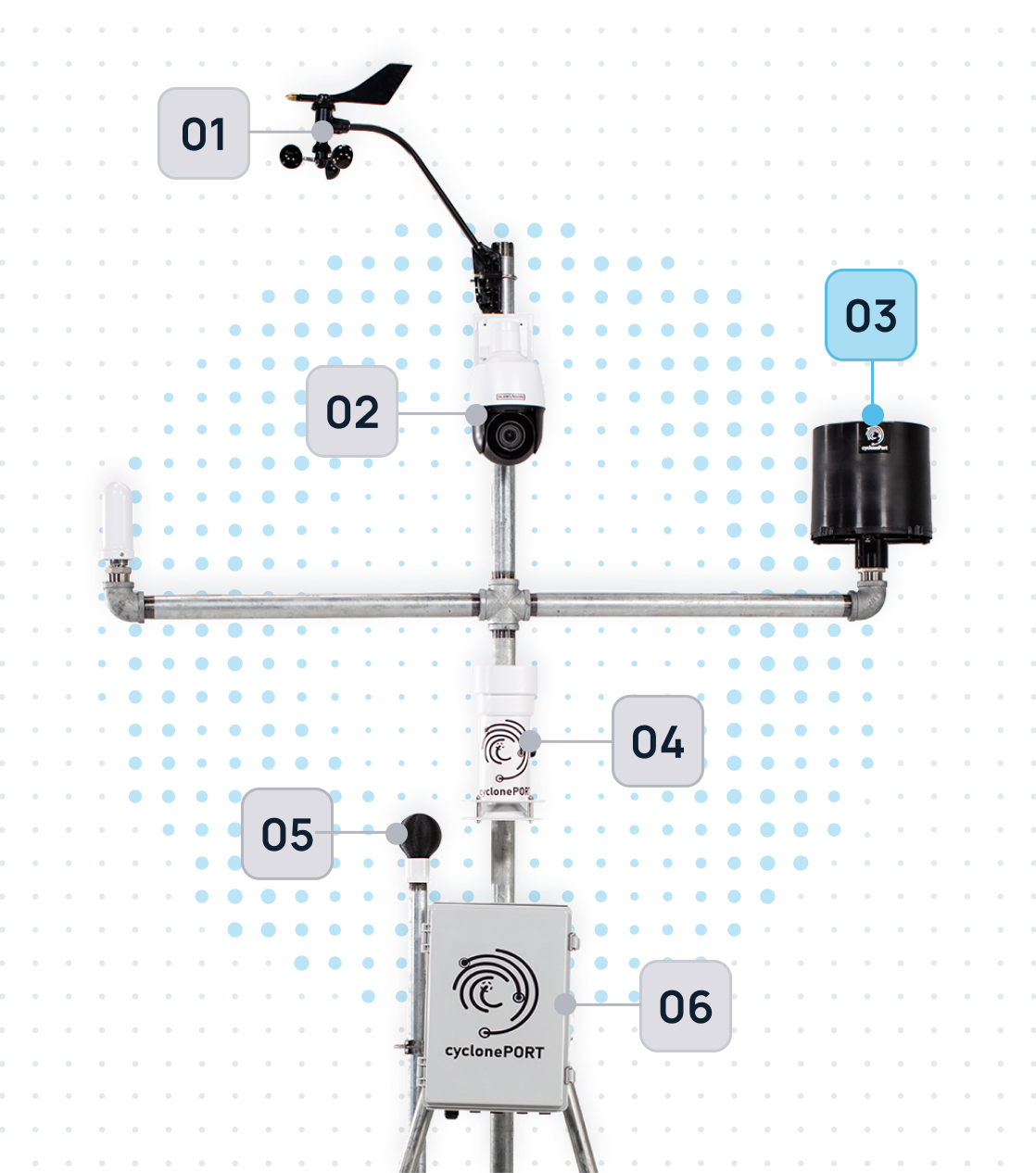
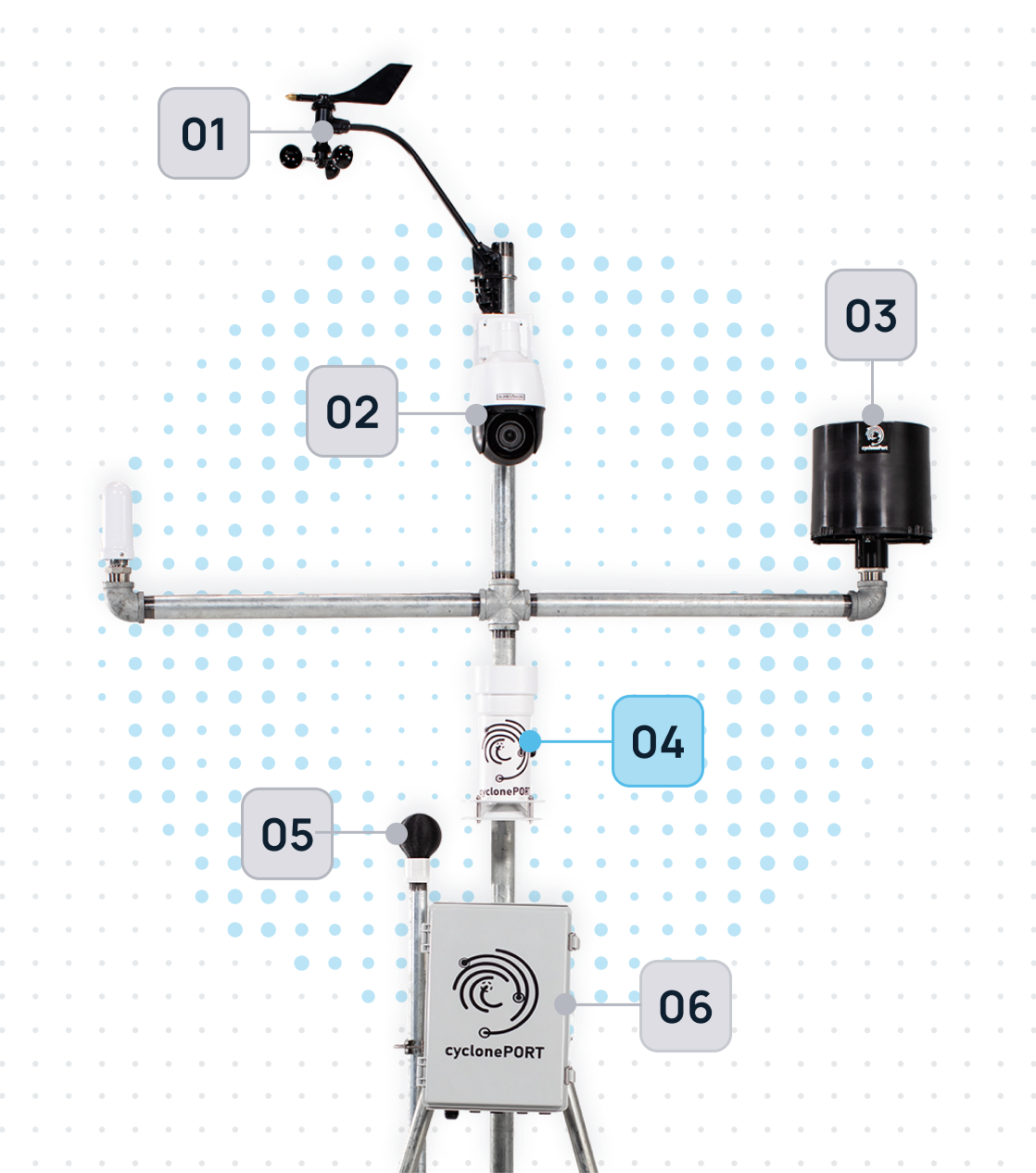
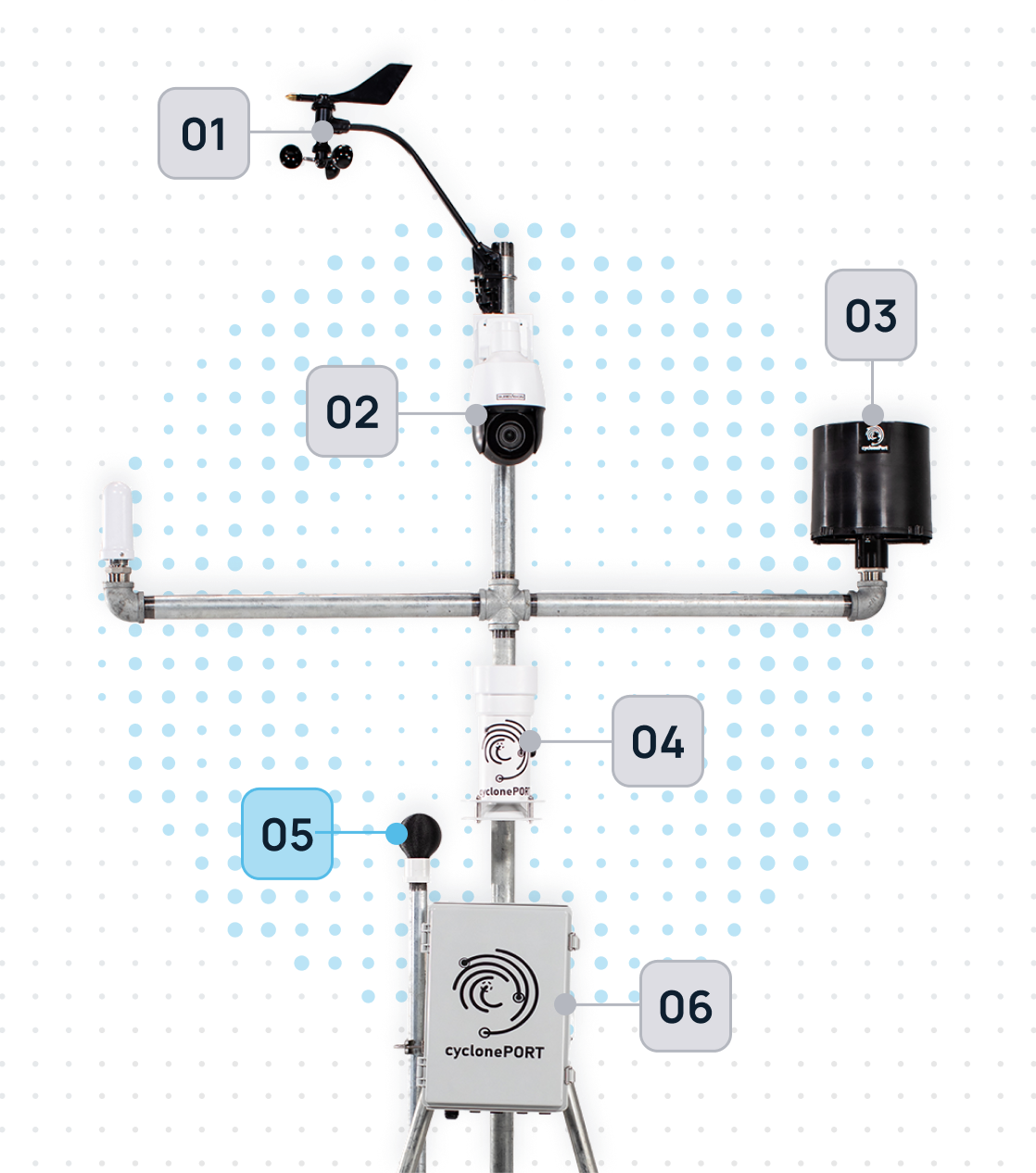
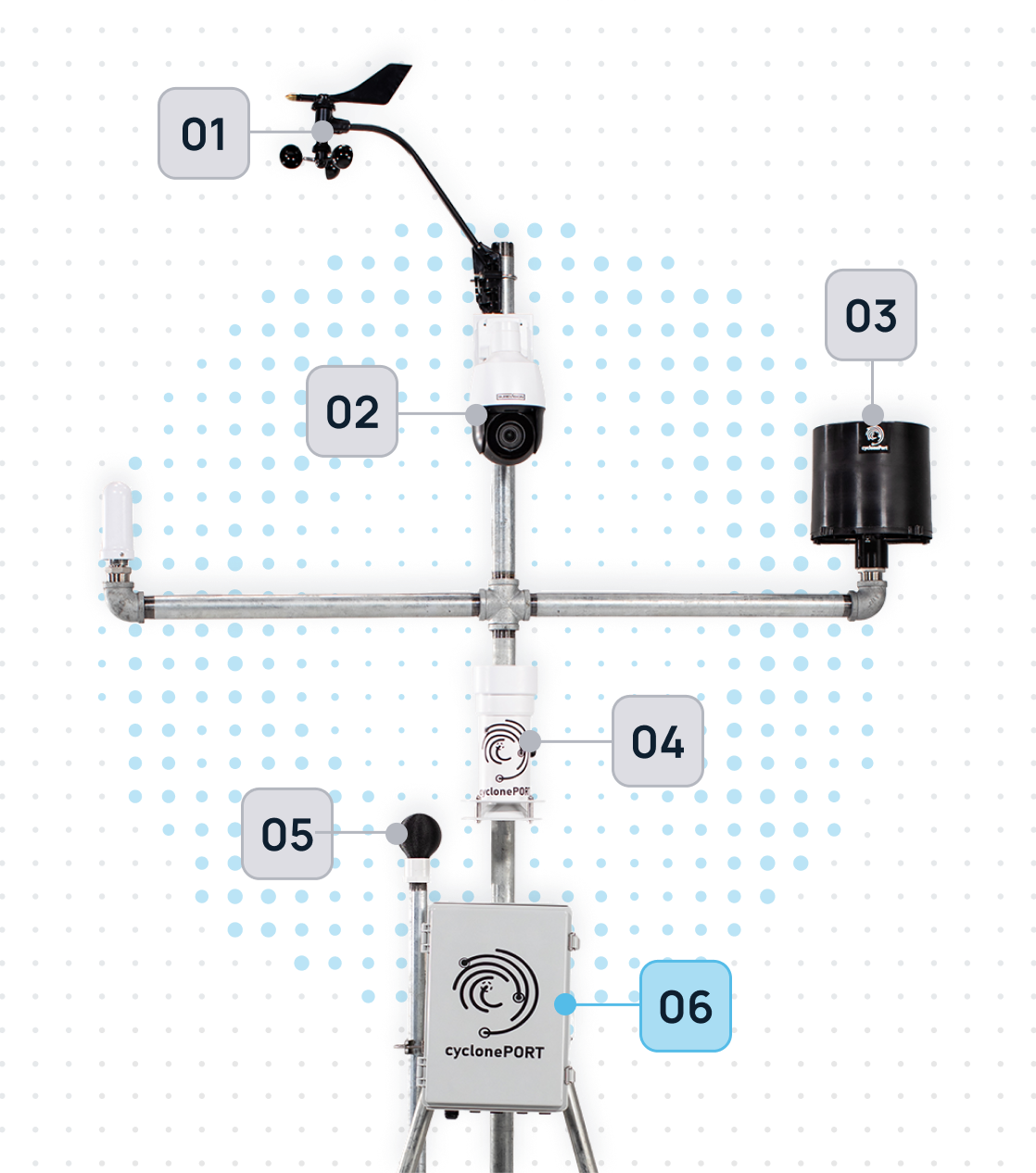
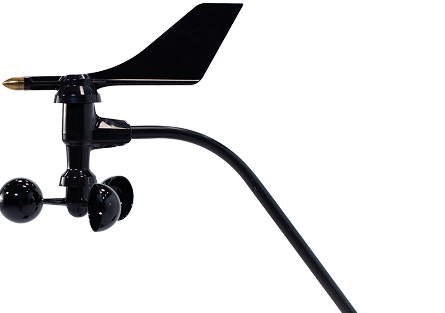
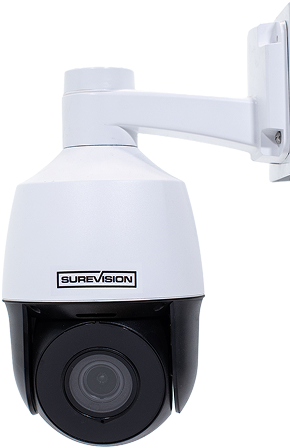
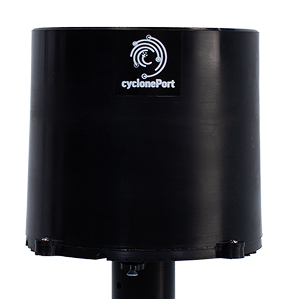
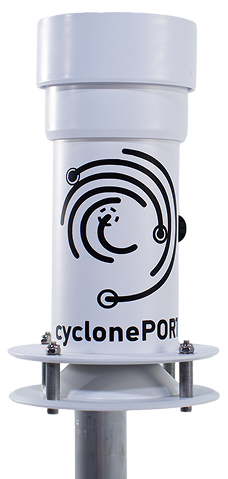
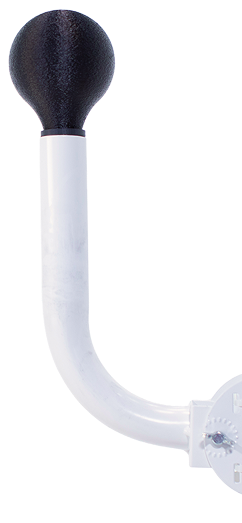
01 Anemometer 02 PTZ Camera 03 Rain Gauge 04 Primary Sensor Housing 05 Wet Bulb Globe 06 CyclonePORT Hub
01.

The Pulse of the Sky

The anemometer is the “nervous system” of our weather stations. Moving beyond old-fashioned mechanical cups, our hardware utilizes ultrasonic sensor arrays to measure the velocity and direction of the wind. By calculating the time it takes for sound pulses to travel between sensors, it provides a lag-free, high-definition map of air movement.

02.

The PTZ Observation Unit

Our PTZ units are ruggedized optical sensors designed to withstand the very conditions they are monitoring. These aren’t just for recording video; they serve as a critical layer of visual ground-truthing. When our sensors detect a change in wind speed or pressure, the PTZ camera can automatically swivel to the point of interest—allowing us to see the formation of wall clouds, debris, or precipitation in real-time.

The lens moves vertically, allowing for a look at both high-altitude cloud formations and ground-level impacts

03.

Liquid Precision: 
The Smart Rain Gauge

The rain gauge is the primary component for measuring precipitation intensity and accumulation. Our systems typically utilize “Tipping Bucket” or “Optical” technology to provide high-resolution data. As droplets enter the collector, the sensor logs the volume in real-time, allowing our AI to calculate rainfall rates per minute.

04.

Resilience by Design: 
The Primary Sensor Housing

The Primary Sensor Housing is the ruggedized enclosure that integrates and protects the suite of meteorological instruments. It isn’t just a box; it is a precision-engineered environment. Designed with aerodynamic stability and thermal regulation, it ensures that internal components—like barometers, data loggers, and transmission hardware—stay dry, cool, and connected even in hurricane-force winds or sub-zero blizzards.

05.

Human-Centric Heat Intelligence

The Wet Bulb Globe is the “biometric” sensor of our weather stations. It doesn’t just measure ambient air; it accounts for the three-way punch of temperature, humidity, and solar radiation. By simulating how a human being absorbs heat while sweating in direct sunlight, it provides the Wet Bulb Globe Temperature (WBGT)—the most accurate metric for predicting heat exhaustion and sunstroke.

For companies managing outdoor crews, sports events, or high-load data centers, this sensor is the definitive “go/no-go” signal for safety.
06.

The Intelligence Engine: CyclonePORT Hub

The CyclonePORT Hub is the central nervous system of our weather monitoring architecture. It serves as the high-speed bridge between raw environmental data and actionable cloud intelligence. While our sensors are busy “feeling” the storm, the Hub is busy translating those signals, encrypting the data, and ensuring it reaches our forecasting models in milliseconds—even when local power grids or traditional networks fail.

It is designed for “Edge Computing,” meaning it processes critical data locally to provide instant alerts before the information even hits the cloud.

Platform Features at a Glance for Fire Departments

Specification

Detail

Deployment

Permanent mount or rapid-deploy field configuration

Power

Solar-powered with battery backup — no grid required

Connectivity

Cellular, Wi-Fi, or satellite — operational in remote areas

Data Logging

Continuous timestamped records — meets documentation standards

Alerts

Configurable threshold alerts for wind, lightning, RH

App Integration

RadarOmega app — IC and dispatch access from any device


Regulatory & Standards Alignment for Fire Services

Fire departments and incident management teams operate under NWCG (National Wildfire Coordinating Group) standards for fire weather observation. cyclonePORT’s sensor suite and data logging capabilities support:

  • NWCG IRPG fire weather observation requirements
  • ICS-209 weather data documentation for incident reporting
  • OSHA heat stress monitoring requirements for firefighter safety (29 CFR 1910.132)
  • State fire weather network data comparison and quality assurance

Deployed and Trusted by Emergency Operations Teams

cyclonePORT is built on the SDS Weather professional monitoring platform — the same infrastructure trusted by NWS-affiliated monitoring networks, broadcast meteorology, and emergency management organizations across the Southeast.

Common Use Cases

Station-Based Fire Weather Monitoring

A permanently mounted cyclonePORT station at a fire station or district headquarters gives dispatch and unit leaders continuously updated local weather data. When a call comes in, crews already know current wind direction, RH, and lightning status before they leave the bay.

Incident Perimeter Deployment

cyclonePORT’s solar-powered, wireless configuration allows rapid deployment at an incident perimeter or on a forward observation post. A single unit with cellular or satellite connectivity provides real-time data to the Incident Command Post without requiring a technician on site.

Prescribed Burn Go/No-Go Decisions

Prescribed fire burn bosses need verified on-site wind speed, direction, and RH data to make go/no-go decisions. cyclonePORT provides time-stamped, logged weather data that meets documentation requirements for prescribed fire authorization.

Results

When Seconds Decide Outcomes

Our real-world projects demonstrate strategic direction translating into measurable impact. Through documented client successes, we showcase tangible outcomes—from enhanced efficiency to transformed business results. These authentic stories reveal how our solutions address specific challenges, adapt to unique circumstances, and empower organizations to achieve their goals. Each case study represents proven expertise in action.

A county emergency management agency detected rotation

Live video feeds from cyclonePORT stations caught the storm’s development before radar confirmation. Real-time wind data and pressure readings gave forecasters the intelligence needed to issue warnings minutes earlier than traditional methods allowed.

Emergency crews coordinated faster with shared data

When the warning went out, first responders already had access to the same video feeds and sensor data as the emergency operations center. Utility crews knew exactly where to position equipment. Fire departments staged resources based on confirmed wind speeds rather than estimates.

Frequently Asked Questions

Can cyclonePORT be deployed at a wildfire incident command post?

Yes. cyclonePORT offers solar-powered, wireless configurations that can be rapidly deployed in the field without grid power. Cellular connectivity supports real-time data transmission to the ICP and remote command locations.

cyclonePORT sensors are calibrated professional instruments that capture the data variables required by NWCG guidelines. For certified Remote Automated Weather Station (RAWS) qualification, contact our team to discuss sensor certification options.

cyclonePORT monitors conditions continuously and can push configurable alerts in near real time via the RadarOmega app and dashboard. Alert thresholds for wind direction change, speed, and gusts are all user-configurable.

Yes. Multiple units can feed into a unified dashboard, allowing incident meteorologists (IMETs) or IC staff to compare conditions across different positions around a fire perimeter.

Protect Your Crews with
Real-Time Fire Weather Data

Talk to our team about fire department configurations, rapid-deploy options, and pricing.

cycloneport.com/contact  |  info@cycloneport.com  |  844-737-9328