
When the Sky Turns Dangerous: Why Texas Organizations Are Deploying Professional Weather Stations to Protect Lives
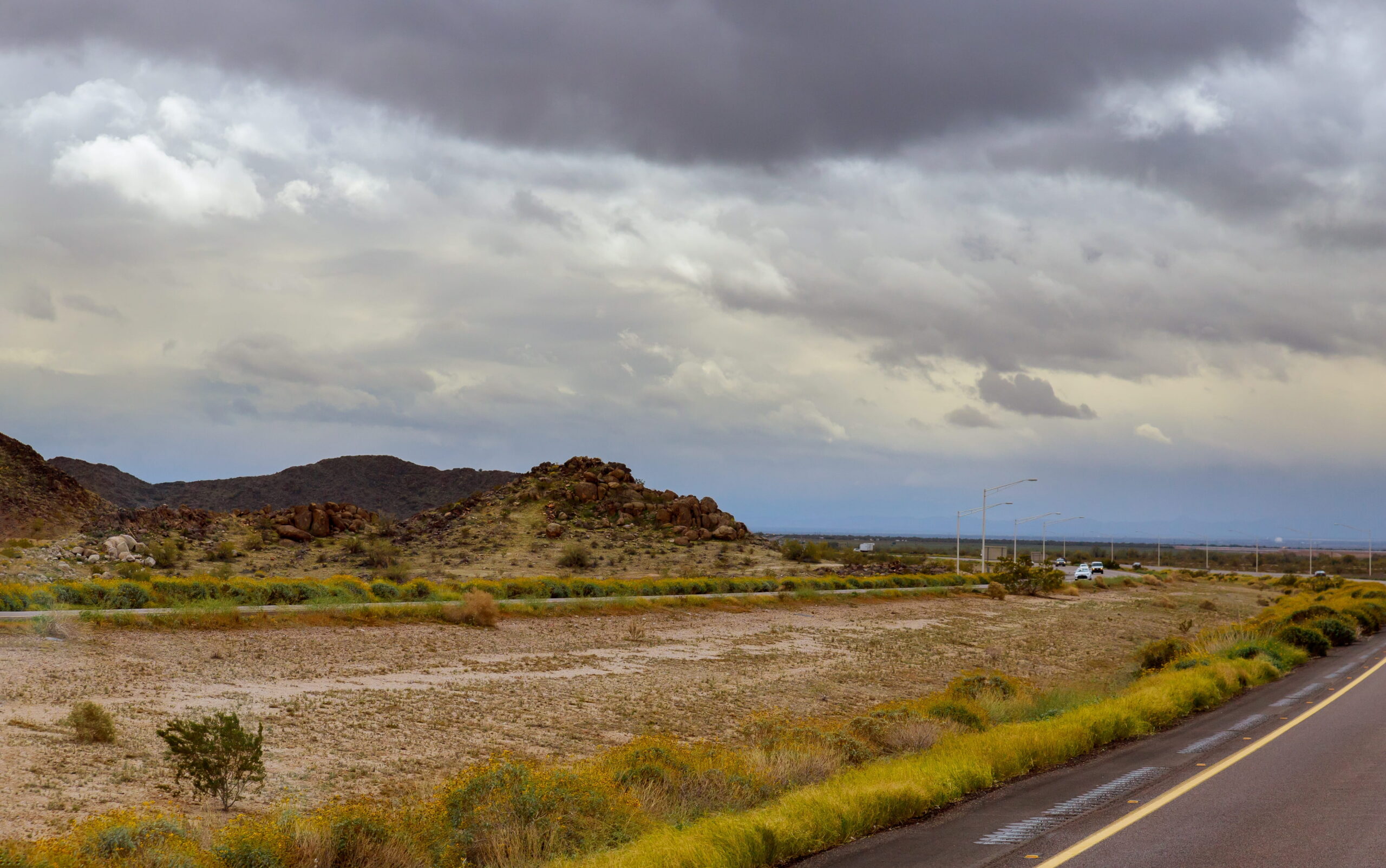
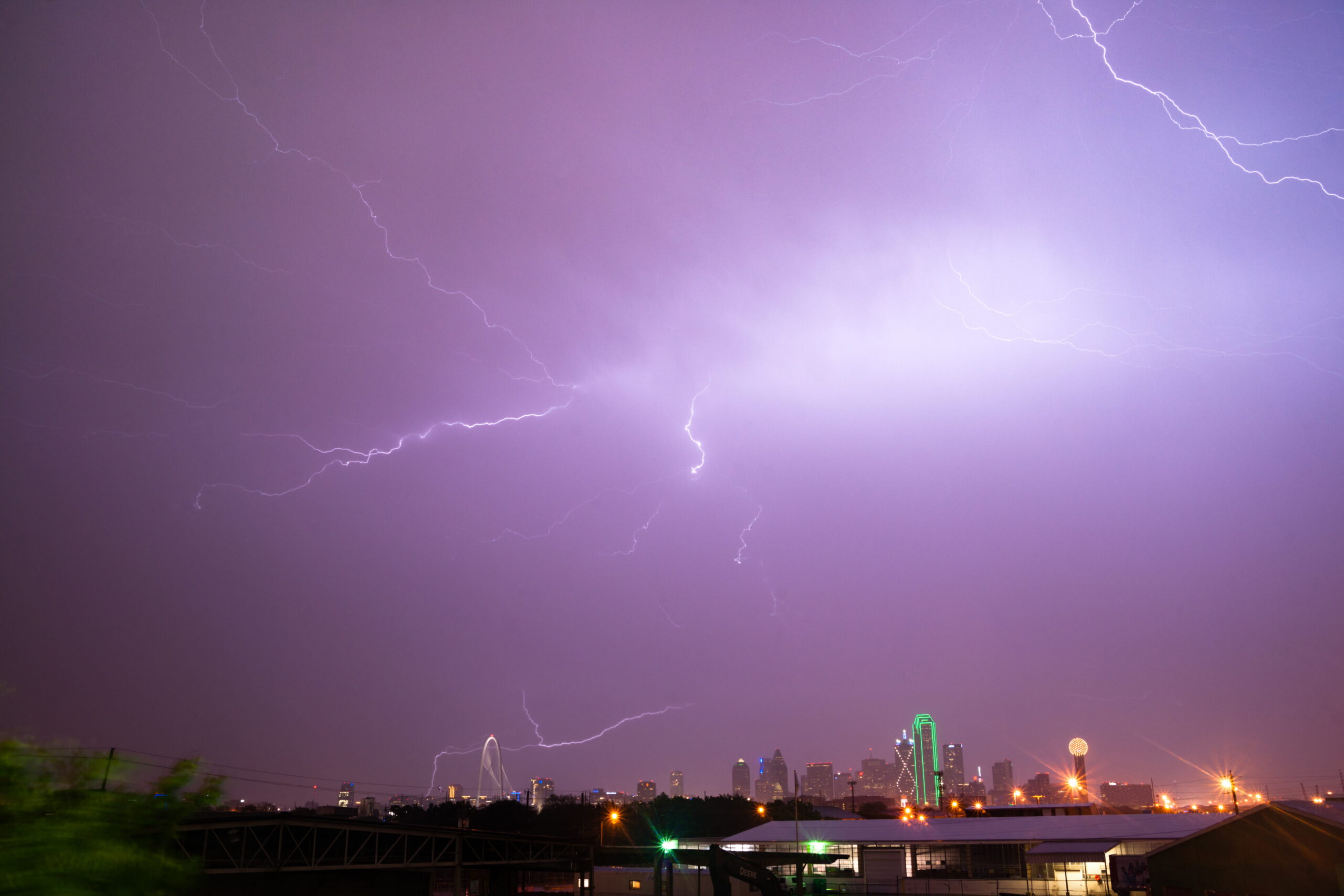
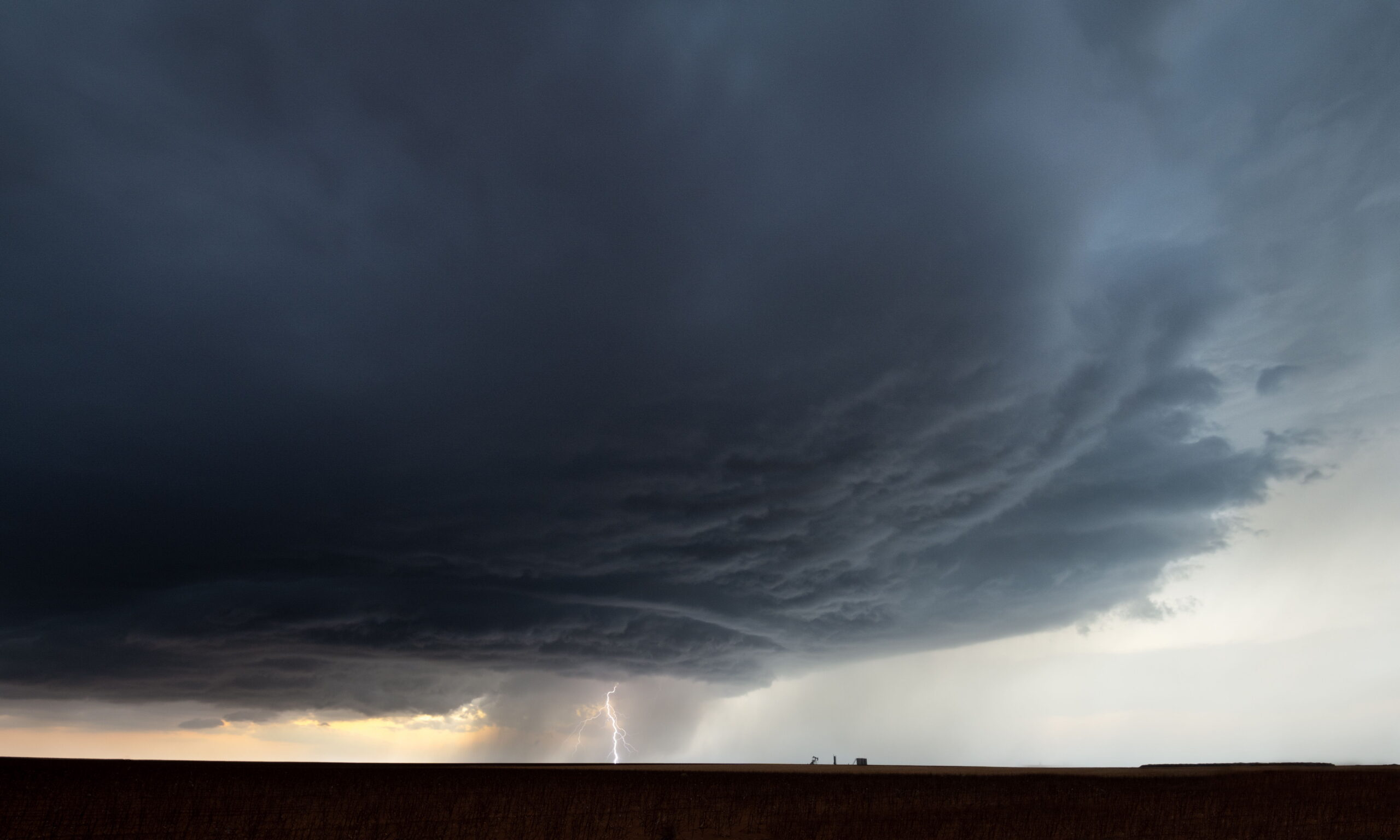
Texas Weather Is Not Average — And Emergency Managers Know It
Texas is the most meteorologically diverse state in the nation. The same 48-hour window that drops a blizzard on Amarillo can funnel a tornado through the Dallas–Fort Worth Metroplex, flood the Houston bayous, and push a deadly heat index past 115°F on the Gulf Coast. That is not hyperbole — it is a documented pattern that emergency managers, first responders, outdoor workers, and public-safety officials navigate every single year.
The numbers are stark. Texas averages more than 130 tornadoes annually — the highest of any state. Tropical systems regularly make landfall along the 367-mile Gulf coastline, with Hurricane Harvey (2017) delivering an unprecedented 60 inches of rain to portions of Harris County and causing an estimated $125 billion in damage. The February 2021 winter storm killed more than 240 Texans and left millions without power. And heat: in 2023, Texas recorded its longest streak of 100°F+ days in modern history, contributing to hundreds of heat-related deaths and triggering heat emergency declarations in multiple counties.
The challenge for Texas organizations is not awareness of these risks — it is having the right data, at the right location, at the right moment to act decisively. National Weather Service alerts are a critical layer of warning, but they are county-scale and often lag conditions on the ground by minutes that matter. What many Texas organizations are discovering is that deploying a professional weather station on-site — a multi-sensor device providing real-time, facility-level readings — is the missing link between a regional forecast and a life-safety decision at a specific facility, field site, or outdoor venue.
Texas Weather by the Numbers
130+ tornadoes per year on average — more than any other U.S. state
367 miles of Gulf coastline vulnerable to tropical storm and hurricane landfall
2021 Winter Storm Uri: 240+ deaths, millions without power, $195B in losses
2023: record-breaking heat season — 100°F+ streaks across major metros
Flash flooding kills more Texans than any other weather-related hazard in most years
Lightning strikes: Texas ranks in the top five states for annual lightning fatalities
What cyclonePORT Monitors — and Why Each Sensor Matters for Emergency Response
Wind Speed & Direction
Wind data is foundational to emergency management across threat types. During tornado events, rapid ground-level wind acceleration — particularly the rotation signature visible in localized speed shifts — can provide seconds of additional warning beyond NEXRAD radar alone. For wildfire response in the Texas Hill Country or the Panhandle, real-time wind speed and directional data determines burn direction, evacuation routes, and firefighter safety corridors. Sustained wind readings from cyclonePORT allow incident commanders to make suppression and staging decisions based on what is happening at their specific location, not a forecast grid.
Lightning Detection
Texas is one of the most lightning-active states in the country. Lightning is particularly dangerous for outdoor events, athletic facilities, utility crews, oil field workers, and emergency staging areas. cyclonePORT’s lightning detection sensor identifies strike activity in real time, enabling organizations to implement lightning safety protocols — clearing outdoor areas, suspending operations, sheltering personnel — before a strike becomes a fatality. For school districts running outdoor athletics, municipalities managing parks and recreation facilities, and agencies coordinating large outdoor gatherings, lightning detection is a first-tier life-safety tool.
Rain Gauge
Rainfall accumulation data from cyclonePORT is directly relevant to flash flood risk — the leading weather-related killer in Texas. The Edwards Plateau and Central Texas Hill Country are among the most flash-flood-prone landscapes in the world due to shallow soils and karst topography. A cyclonePORT rain gauge provides site-specific accumulation data that, combined with NWS flash flood guidance, gives emergency managers actionable information for road closures, low-water crossing warnings, and evacuation decisions. In a state where a rain event can go from zero to life-threatening in under an hour, local rainfall data is not a convenience — it is a critical input.
Barometric Pressure
Rapidly dropping barometric pressure is one of the earliest measurable precursors to severe weather intensification. During hurricane season, a pressure trend monitored by cyclonePORT at a coastal facility gives emergency managers advance notice of a strengthening system beyond what a static forecast provides. Inland, pressure drops associated with approaching squall lines and supercell thunderstorms can give operations centers additional lead time to activate protocols, notify personnel, and begin protective actions.
Humidity Sensor
Relative humidity intersects with emergency response in two critical ways in Texas. At high temperatures, elevated humidity dramatically increases effective heat stress — the heat index — which determines the risk of heat-related illness for outdoor workers, first responders in full gear, and vulnerable populations. cyclonePORT’s humidity data, combined with temperature readings, provides the inputs needed to calculate real-time heat index values for specific locations. In wildfire contexts, low humidity combined with high winds creates the extreme fire weather conditions that Texas land managers and incident commanders use to determine burning indexes and resource pre-positioning.
Wet Bulb Globe Temperature (WBGT)
WBGT is the gold standard metric for evaluating heat stress risk in occupational and athletic settings. Unlike heat index, WBGT accounts for solar radiation load, making it significantly more accurate for outdoor environments where workers or responders are exposed to direct sun. Regulatory bodies including OSHA and the American College of Sports Medicine use WBGT thresholds to define work/rest ratios, mandatory hydration intervals, and activity suspension guidelines. Texas school districts, municipalities, and private-sector employers with outdoor workforces increasingly rely on WBGT data to manage heat compliance obligations — obligations that carry real liability consequences when ignored.
Texas-Specific Use Cases: cyclonePORT in Emergency Management Practice
Tornado Preparedness and Severe Weather Operations
Tornado Alley runs directly through Texas. Cities like Lubbock, Amarillo, Wichita Falls, and the Dallas–Fort Worth corridor regularly appear in significant tornado event records. For emergency managers overseeing outdoor facilities, large campuses, or distributed operations across tornado-prone regions, cyclonePORT provides site-level data that complements storm spotter networks and NWS warnings.
When a tornado watch is issued, wind speed and pressure readings from cyclonePORT allow facility operators and incident managers to monitor real-time surface conditions and make timely shelter-in-place decisions. After a tornado event, cyclonePORT’s sensor logs provide documented weather data for after-action reviews and insurance documentation.
Hurricane Preparedness on the Gulf Coast
From Beaumont to Brownsville, Gulf Coast emergency managers operate under the constant possibility of tropical weather. cyclonePORT installations at critical facilities — emergency operations centers, hospitals, utility infrastructure, ports, and shelter sites — give operators real-time surface weather data during a storm’s approach and landfall that NWS offshore buoys and regional stations cannot provide at a facility-specific level.
For pre-landfall operations, cyclonePORT wind and pressure trends help EOC operators determine the timing of evacuation orders and protective actions. During storm passage, sensor data from cyclonePORT (where systems remain operational) provides input for situational awareness and post-storm damage assessment. After the storm, documented weather records from the station support FEMA public assistance claims and insurance recovery processes.
Case Application: School District Heat Safety Compliance
Texas UIL (University Interscholastic League) guidelines require athletic trainers and coaches to modify or suspend outdoor activity based on heat and humidity thresholds. A cyclonePORT station installed at an athletic facility provides real-time WBGT readings on-site, allowing compliance officers to make objective, documented decisions — not estimates — about practice modifications, hydration protocols, and emergency cancellations. This protects student athletes, reduces institutional liability, and creates a defensible record of weather-based safety decisions.
Heat Emergency Response and Outdoor Worker Safety
Texas heat kills. In 2023, the Texas Department of State Health Services reported heat-related illness hospitalizations at near-record levels. For emergency managers overseeing cooling center operations, outdoor event safety, or utility and construction worker welfare programs, real-time heat index and WBGT data from cyclonePORT is a direct operational input.
Counties operating heat emergency programs use weather station data to trigger cooling center activations. Municipalities managing outdoor events use WBGT thresholds to determine whether to modify, delay, or cancel activities. Employers in construction, agriculture, oil and gas, and landscaping use cyclonePORT data to demonstrate compliance with OSHA heat illness prevention guidelines — a standard that carries increasing regulatory weight as federal rulemaking on heat exposure continues to evolve.
Flash Flood Warning and Low-Water Crossing Management
The Texas Department of Transportation manages thousands of low-water crossings across the state — many of which become impassable or dangerous within minutes of a rainfall event. County emergency managers and TxDOT district teams use rainfall accumulation data to make real-time decisions about road closures, barricade deployment, and public warnings.
A cyclonePORT station positioned at or near a flood-prone area provides site-specific accumulation data that supports these decisions. In the Hill Country and Central Texas — where turn-around-don’t-drown campaigns are a perennial public safety priority — local rainfall data gives emergency managers the early quantitative signal needed to act before roads flood and before motorists are at risk.
Winter Weather and Ice Event Operations
The February 2021 winter storm exposed the vulnerability of Texas infrastructure to extreme cold events. For emergency managers in North and Central Texas, which sit at the edge of the climatological zone where ice storms are uncommon enough to catch populations and infrastructure off guard, cyclonePORT’s temperature and humidity data supports winter weather monitoring.
Real-time temperature and humidity readings inform bridge and road surface icing predictions, provide data for public communications about cold weather shelter activations, and support utility operations centers monitoring infrastructure risk. In regions where a 24-hour cold event can have outsized public impact, having a local weather station provides monitoring continuity even when broader communication and utility infrastructure is stressed.
Wildfire Weather Monitoring
Texas wildfire risk is concentrated in the Trans-Pecos, Panhandle, and Hill Country regions, but fire weather conditions can develop statewide when drought, low humidity, and strong winds converge. The 2011 Bastrop County Complex Fire — the most destructive in Texas history — demonstrated how rapidly fire can spread when conditions align.
Emergency managers and land management agencies use cyclonePORT wind speed, wind direction, and humidity data as real-time inputs for fire weather assessment. For facilities near wildland-urban interface zones, cyclonePORT provides situational awareness about wind shifts that affect evacuation route planning and incident command positioning.
Regulatory Compliance: Weather Monitoring as a Legal Obligation
For many Texas organizations, the question is not simply whether cyclonePORT is useful — it is whether documented, on-site weather monitoring is required. The regulatory landscape increasingly suggests that organizations operating outdoor facilities or managing outdoor workforces have obligations that on-site monitoring directly supports.
OSHA Heat Illness Prevention
While federal OSHA heat illness prevention rules are in ongoing development, OSHA’s general duty clause has been applied in heat-related fatality investigations where employers failed to monitor environmental conditions. Having a cyclonePORT station with WBGT measurement creates a documented, objective record of weather conditions at a worksite — a record that supports both proactive decision-making and post-incident compliance defense.
Texas UIL Athletic Safety Standards
The University Interscholastic League’s heat acclimatization and modification guidelines for outdoor athletics specifically reference heat index and WBGT thresholds. School districts that document weather-based activity modifications using on-site station data are better positioned to demonstrate policy compliance than those relying on regional forecast estimates.
Texas Commission on Environmental Quality (TCEQ) and Industrial Facilities
Industrial facilities operating under TCEQ permits in Texas — particularly refineries, chemical plants, and waste management sites in the Houston-Galveston region — are required to maintain meteorological data as part of emergency response planning and air dispersion modeling. cyclonePORT can support these monitoring requirements with reliable on-site sensor data.
FEMA Public Assistance Documentation
Following a federally declared disaster in Texas, documented weather data from an on-site station strengthens FEMA Public Assistance and Hazard Mitigation Grant Program applications. Having a timestamped sensor record of the weather event that caused facility damage or triggered emergency response costs provides objective documentation that supports recovery claims.
Built for Severe Weather
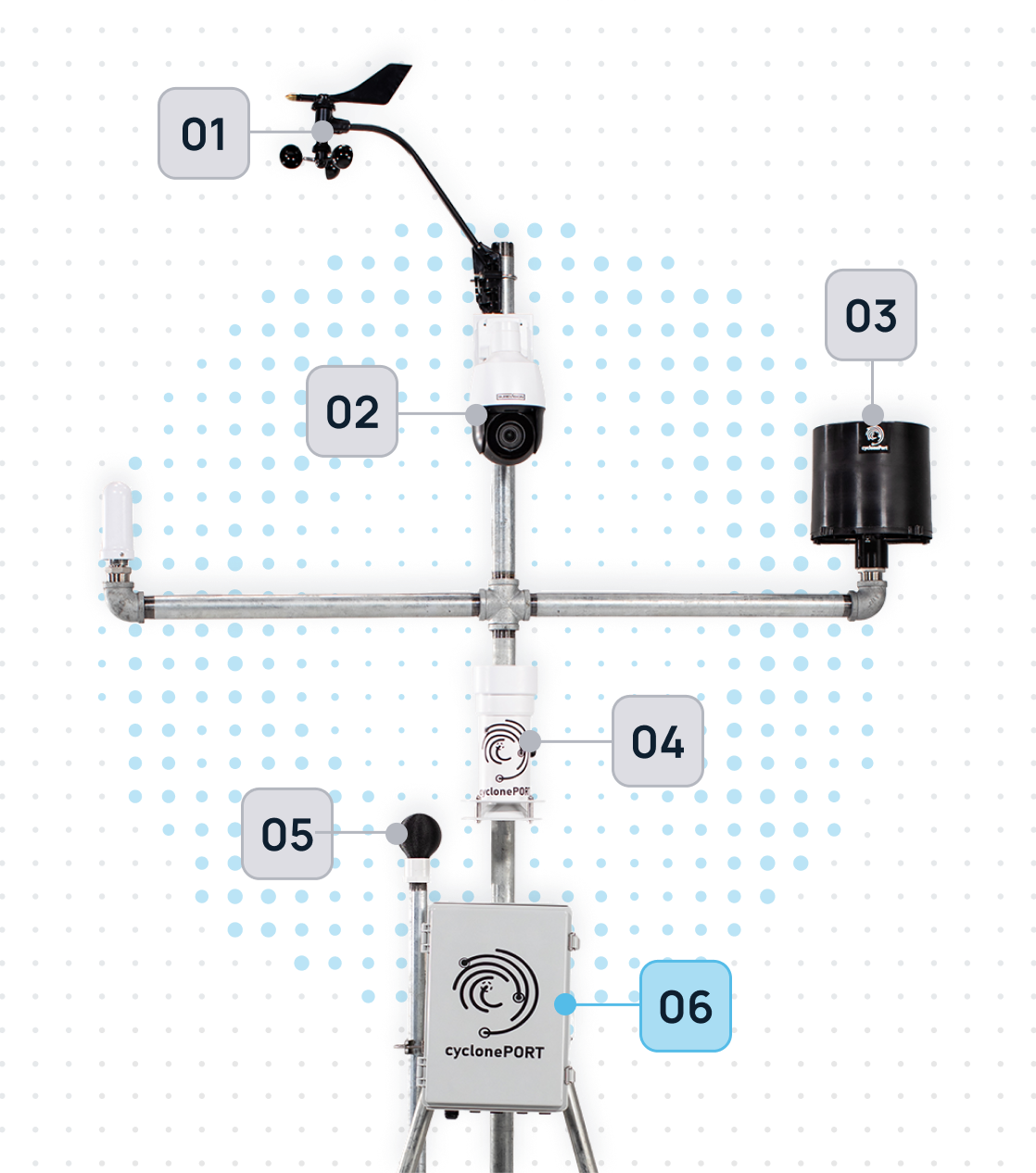
The Pulse of the Sky
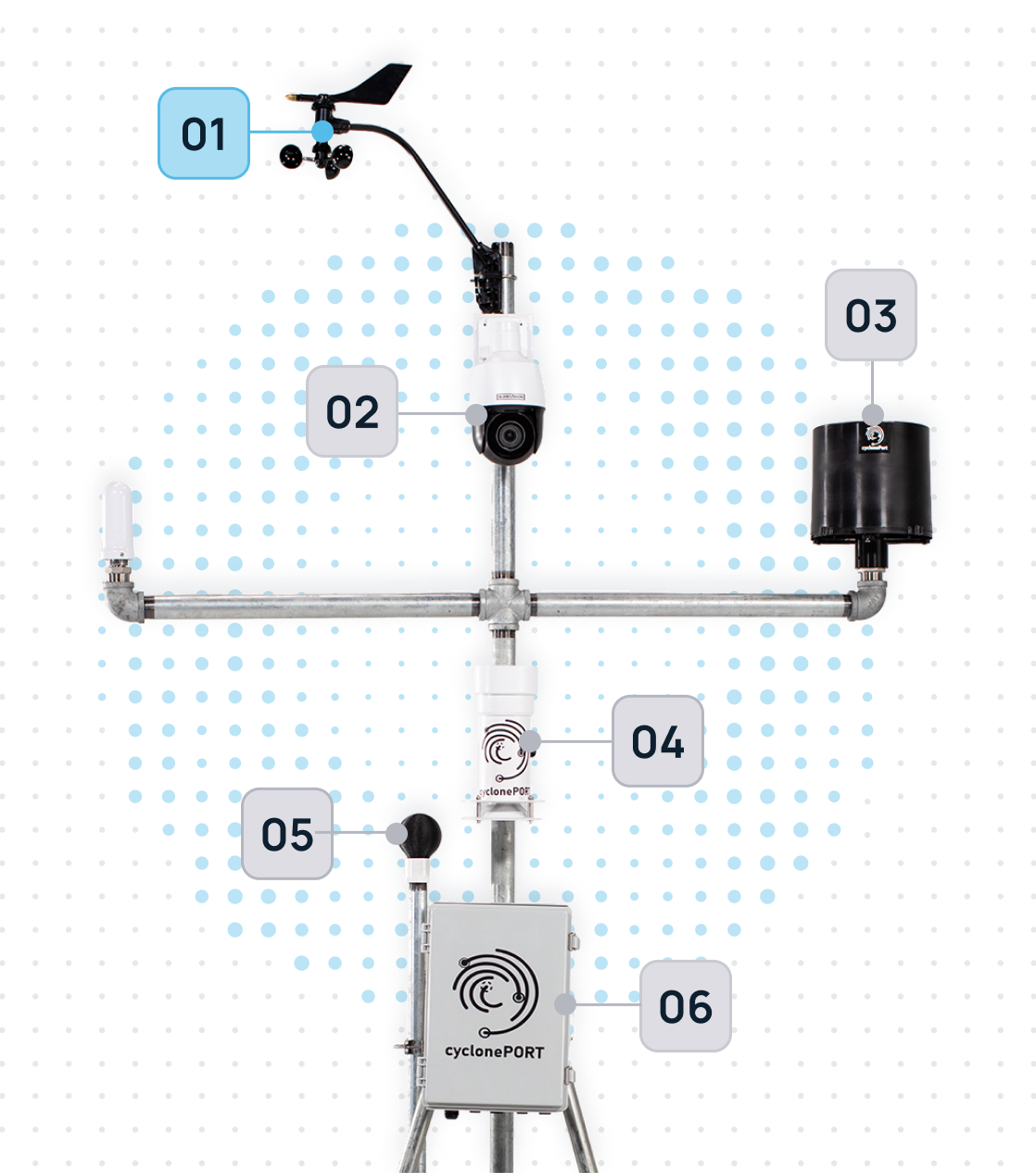
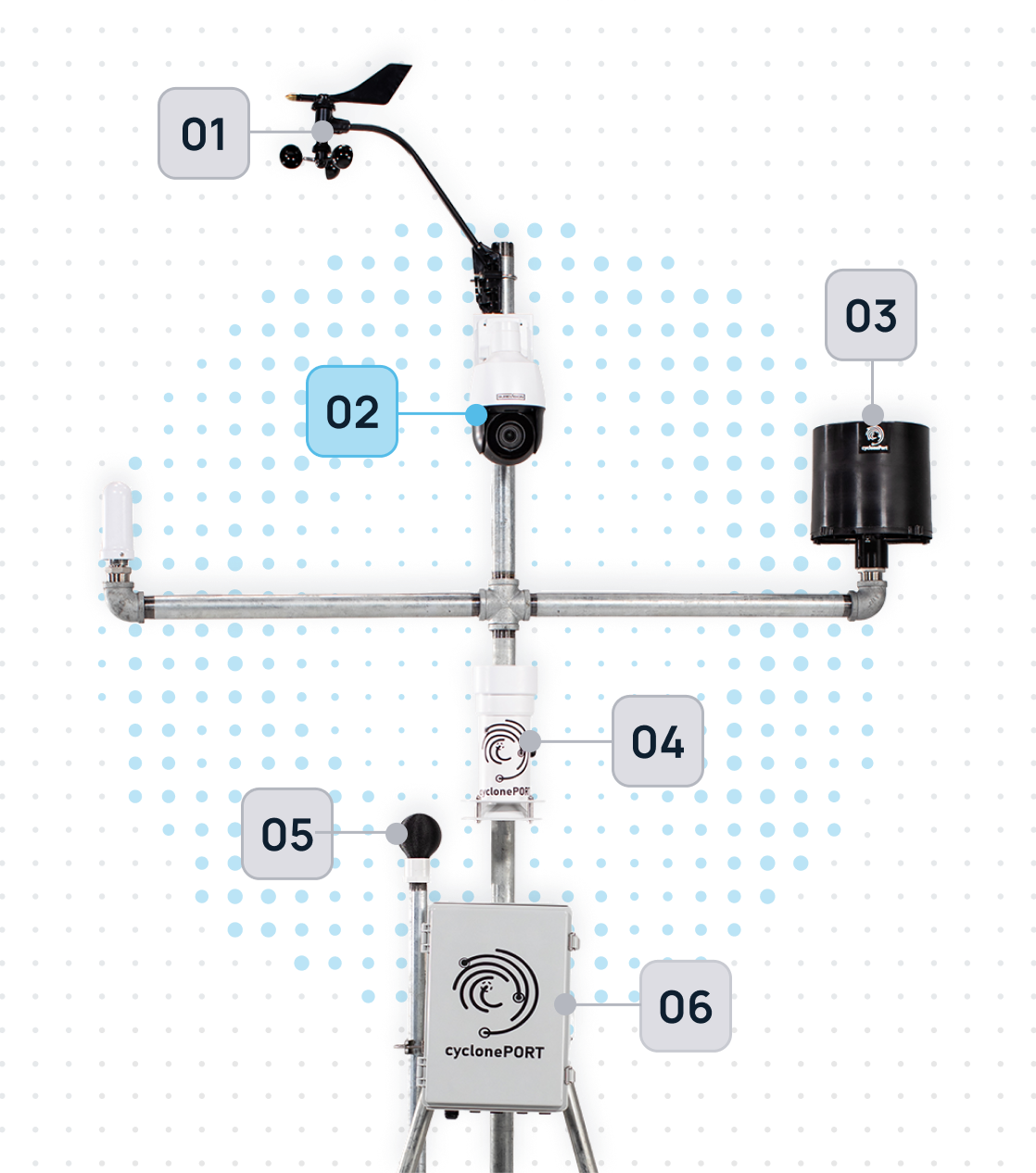
The anemometer is the “nervous system” of our weather stations. Moving beyond old-fashioned mechanical cups, our hardware utilizes ultrasonic sensor arrays to measure the velocity and direction of the wind. By calculating the time it takes for sound pulses to travel between sensors, it provides a lag-free, high-definition map of air movement.
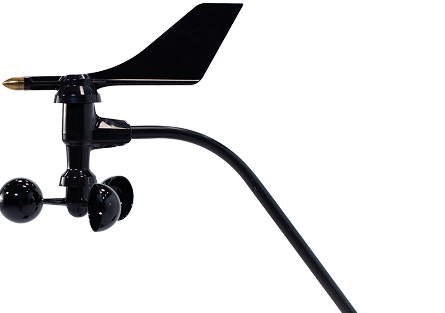
The PTZ Observation Unit
Our PTZ units are ruggedized optical sensors designed to withstand the very conditions they are monitoring. These aren’t just for recording video; they serve as a critical layer of visual ground-truthing. When our sensors detect a change in wind speed or pressure, the PTZ camera can automatically swivel to the point of interest—allowing us to see the formation of wall clouds, debris, or precipitation in real-time.
The lens moves vertically, allowing for a look at both high-altitude cloud formations and ground-level impacts
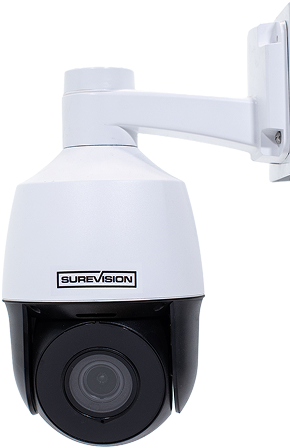
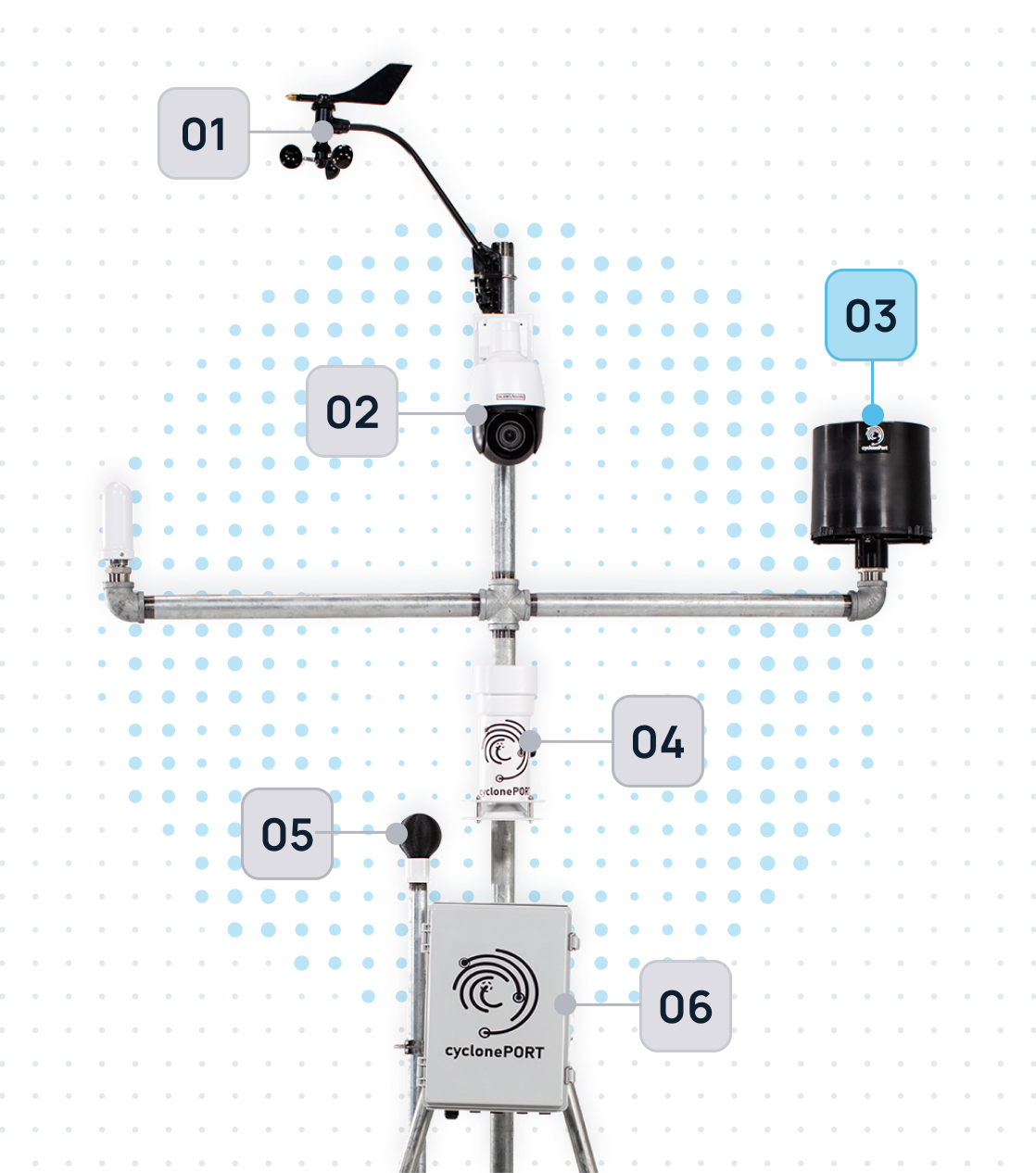
Liquid Precision: The Smart Rain Gauge
The rain gauge is the primary component for measuring precipitation intensity and accumulation. Our systems typically utilize “Tipping Bucket” or “Optical” technology to provide high-resolution data. As droplets enter the collector, the sensor logs the volume in real-time, allowing our AI to calculate rainfall rates per minute.
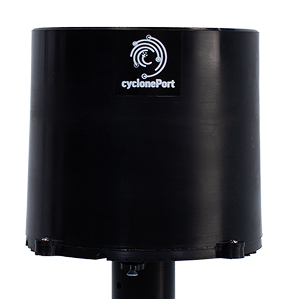
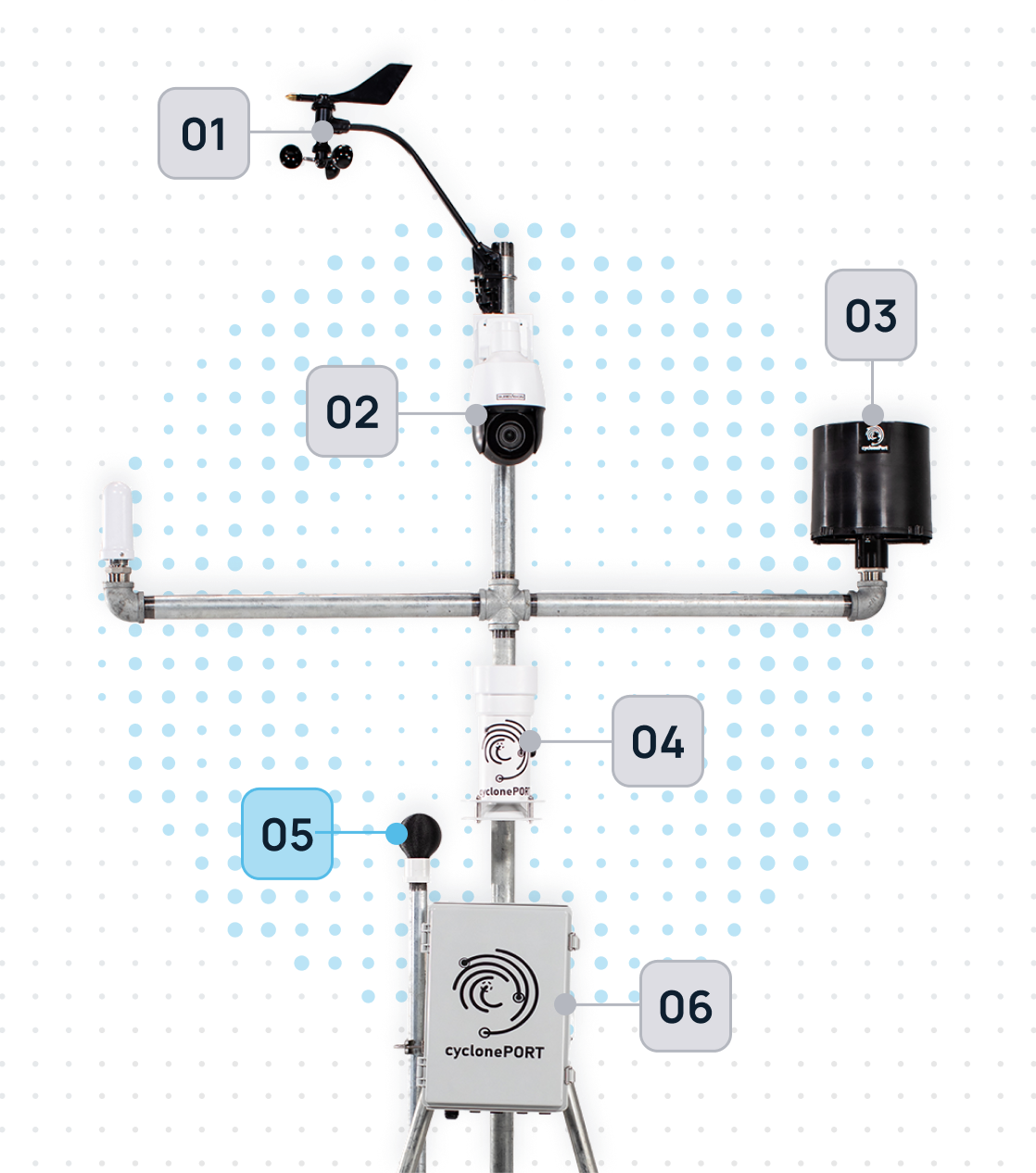
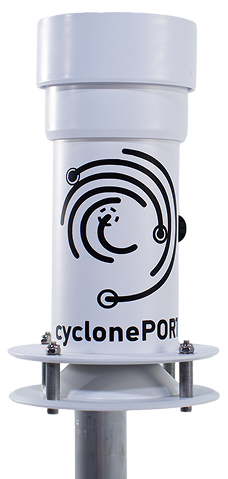
Resilience by Design: The Primary Sensor Housing
The Primary Sensor Housing is the ruggedized enclosure that integrates and protects the suite of meteorological instruments. It isn’t just a box; it is a precision-engineered environment. Designed with aerodynamic stability and thermal regulation, it ensures that internal components—like barometers, data loggers, and transmission hardware—stay dry, cool, and connected even in hurricane-force winds or sub-zero blizzards.
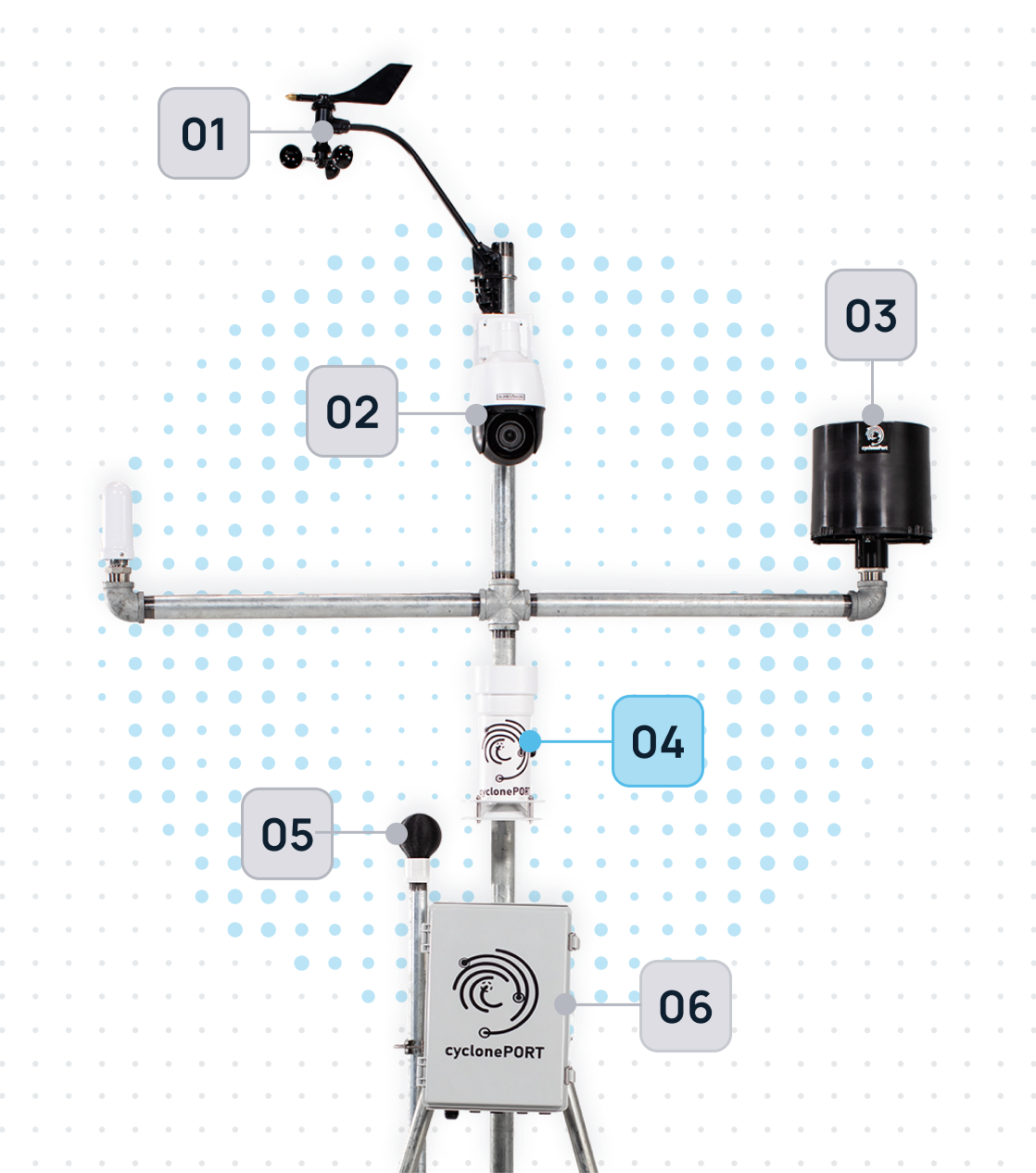
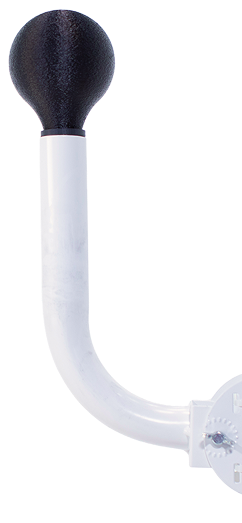
Human-Centric Heat Intelligence
The Wet Bulb Globe is the “biometric” sensor of our weather stations. It doesn’t just measure ambient air; it accounts for the three-way punch of temperature, humidity, and solar radiation. By simulating how a human being absorbs heat while sweating in direct sunlight, it provides the Wet Bulb Globe Temperature (WBGT)—the most accurate metric for predicting heat exhaustion and sunstroke.
For companies managing outdoor crews, sports events, or high-load data centers, this sensor is the definitive “go/no-go” signal for safety.
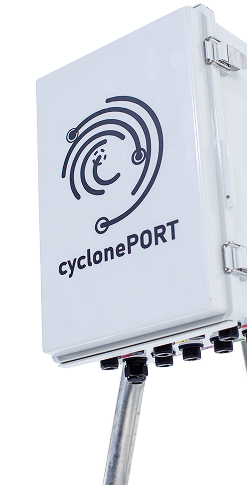
The Intelligence Engine: CyclonePORT Hub
The CyclonePORT Hub is the central nervous system of our weather monitoring architecture. It serves as the high-speed bridge between raw environmental data and actionable cloud intelligence. While our sensors are busy “feeling” the storm, the Hub is busy translating those signals, encrypting the data, and ensuring it reaches our forecasting models in milliseconds—even when local power grids or traditional networks fail.
It is designed for “Edge Computing,” meaning it processes critical data locally to provide instant alerts before the information even hits the cloud.
Deployment Profiles: Where Texas Organizations Are Installing cyclonePORT
cyclonePORT is designed for professional and commercial use across a wide range of organizational settings. Texas emergency managers are deploying cyclonePORT weather stations in configurations that match their specific risk profiles and operational requirements.
| Organization Type | Primary cyclonePORT Use Cases |
| County Emergency Management Agencies | Real-time surface weather for EOC situational awareness; backup monitoring during grid disruptions; documentation for disaster declarations |
| K–12 Education & Athletic Programs | WBGT-based outdoor athletic safety compliance; lightning detection for campus grounds; heat emergency protocol triggers |
| Municipal Parks & Recreation | Lightning detection for aquatic centers and athletic fields; heat index monitoring for outdoor events; rainfall data for field closures |
| Utility & Energy Companies | Wind and pressure monitoring at substations and generation facilities; heat stress compliance for field crews; storm documentation for insurance |
| Construction & Infrastructure Contractors | OSHA heat illness prevention documentation; lightning safety for elevated work; wind monitoring for crane and lift operations |
| Hospitals & Healthcare Campuses | Weather monitoring for NIMS/ICS compliance; heat and cold weather protocols for patient transport and outdoor staff; backup sensor for facility resilience planning |
| Oil & Gas Operations | Remote site weather monitoring in the Permian Basin and Eagle Ford; heat compliance for field crews; wind data for flaring and chemical release planning |
| Agricultural Operations & County Fairs | Hail and wind alerts for crop and livestock protection; WBGT for outdoor worker safety; lightning detection for large outdoor gatherings |
Integration with Texas Emergency Management Systems
cyclonePORT is designed to complement, not replace, existing emergency management infrastructure. Its sensor data integrates with organizational decision-making workflows and can serve as a ground-truth input alongside NWS products, NEXRAD radar, and the Texas Division of Emergency Management’s situational awareness tools.
Compatibility with NWS Alert Workflows
National Weather Service alerts — Tornado Warnings, Flash Flood Warnings, Extreme Heat Advisories — establish the regional threat context. cyclonePORT provides the site-specific surface data that gives those alerts operational meaning for a particular location. When an NWS Flash Flood Warning is issued for a county, a cyclonePORT rain gauge at a specific low-water crossing or facility tells the operator whether local accumulation is approaching dangerous thresholds at that site, right now.
Backup Monitoring During Grid Events
Winter Storm Uri and Hurricane Harvey both demonstrated that Texas emergency managers must plan for scenarios where standard communication and power infrastructure is degraded. cyclonePORT hardware is designed for resilient deployment, providing organizations with a monitoring capability that does not depend on the continuity of broader infrastructure systems.
Documentation for After-Action Reports and Grant Applications
Timestamped sensor logs from cyclonePORT provide the kind of granular, location-specific weather record that supports after-action reviews, insurance claims, FEMA documentation, and grant narrative development. For county emergency managers writing Hazard Mitigation Grant Program applications, documented local weather event data strengthens the case for infrastructure investment.
Frequently Asked Questions: cyclonePORT for Texas Emergency Management
Which weather threats in Texas are most relevant to cyclonePORT’s sensor suite?
How does cyclonePORT fit into an existing emergency management weather monitoring workflow?
Does our organization have a regulatory obligation to monitor on-site weather conditions?
Can cyclonePORT support a multi-site or distributed deployment across our facilities?
How does cyclonePORT data integrate with existing EOC tools and notification systems?
What are the data retention capabilities for weather records — for insurance, compliance, or grant documentation?
Conclusion: Ground Truth for Texas Emergency Management
Build the Hyper-Local Weather Intelligence
Your Texas EOC Needs
Contact the SDS Weather team to learn more about cyclonePORT, discuss your organization’s specific location weather monitoring needs, and explore deployment options for your facilities and operations.
cycloneport.com/contact | info@cycloneport.com | 844-737-9328